Understand your guests’ lifestyles to satisfy their unique needs. The more information you know about your potential guests, the better you are able to target your marketing messages and offer attractive hospitality services.
There is no point in trying to be everything to everyone. It is rarely possible to satisfy all customers in the same way. When you know what your potential guests’ values and what motivates them, you are better able to attract them.
Lifestyles are ways of living based on motivations, needs, and wants:
Activities: actions pursued for pleasure or relaxation
Attitudes: feelings about people, things, or situations
Beliefs: trust, faith, or confidence in someone or something
Interests: curiosity, attention, or concerns about something
Opinions: judgments or ways of thinking about something
Values: important and lasting ideals
These lifestyle factors can explain why your audience buys the products and services they do. There is power in knowing how your prospects make their buying decisions.
How you package and promote your services is a key component of your marketing strategy. Put together a list of different guest personas you want to attract that is based on what is in your local area, your unique talents, and your amenities.
First, ask yourself these three questions:
What is in my local area? This could be anything from college campuses, to concert venues, to national parks, to business conferences. Once you know what is in your local area, you can better understand your potential guests’ lifestyles.
What are my unique talents? If you are an official tour guide (local trail and/or hiking tours), a party planner (excellent anniversary parties), a massage therapist (with a spa on site), a vegetarian-only chef (cooking for vegetarians and vegans), then you have a better idea of the lifestyles’ of the guests you want to attract.
What amenities do I provide my guests? This could be anything from game rooms, to gardens, to hot tubs, to luxurious linens, to indoor and/or outdoor pools, to tea rooms. Understand what amenities you have that are attractive to potential guests.
Then segment your customers into different personas. For example:
These are easy ways to better understand your guests’ lifestyles. Then you can promote your place of hospitality (bed and breakfast, inn, resort, restaurant, etc.) on your website and through social media.
Kristi Dement at Bed and Breakfast Blogging can help you attract more guests. Click here to contact me and/or feel free to comment below on what you do to attract more guests.
Fantastic fill in the blanks for social media can definitely attract more traffic to your website. People love to use their imagination and share it with others online.
Do you remember Mad Libs? Those books filled with one-page stories filled with blanks that invited you to insert your own keywords? They were invented in 1953 by Leonard Stern and Roger Price, who published the first Mad Libs book themselves in 1958. It turns out that these guys were ahead of their time in recognizing the power of the ‘blank’.
Fill in the blanks can prompt people to think about activities they would like to do and places they would love to visit. For example, Disney posted, “If I could spend a day with a Disney character, I would choose _______.”
This is a great way to encourage creative responses as well as to promote engagement with your posts and tweets. The blanks are essentially ‘platforms’ for people to share their creativity.
My favorite way to relax after a long hard day is to _______.
These types of posts often garner fun and short comments, which then encourage your audience to react and interact. Share a great photo and a good fill-in-the-blank sentence to inspire your audience to engage with you and your brand.
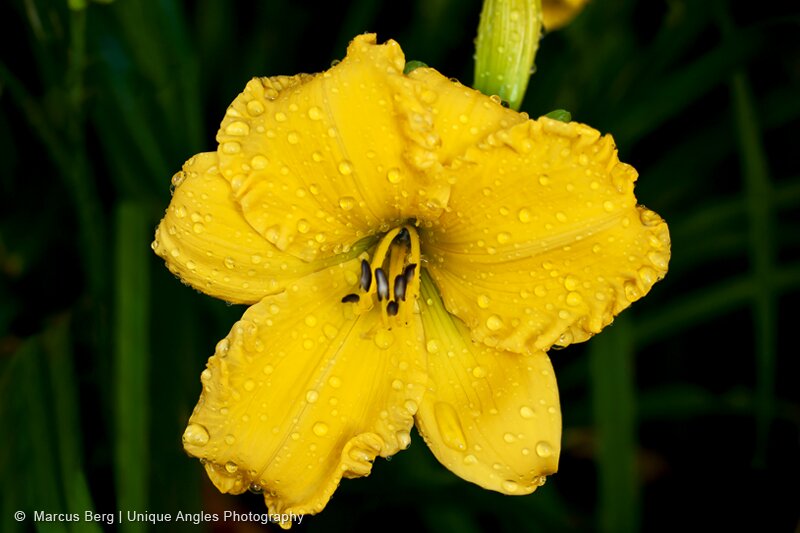
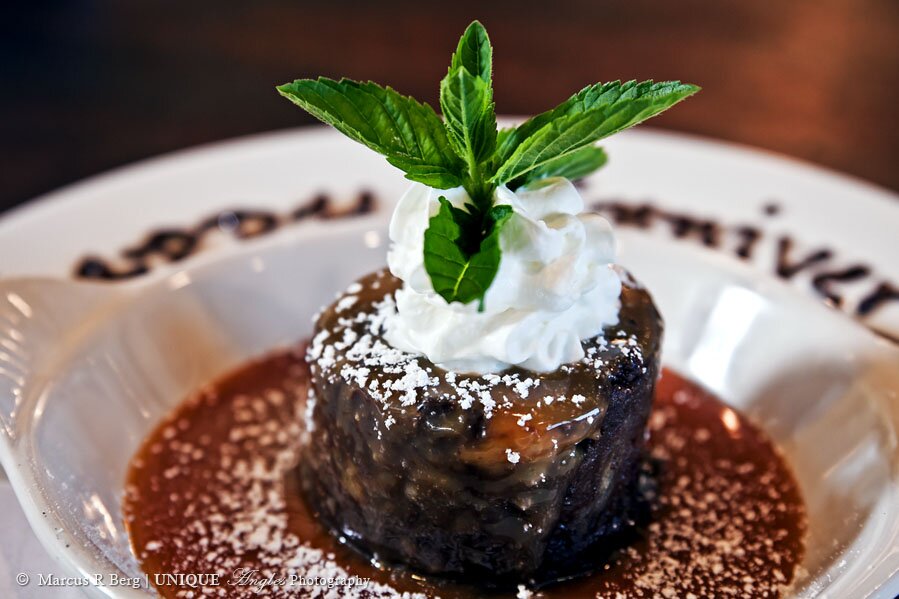
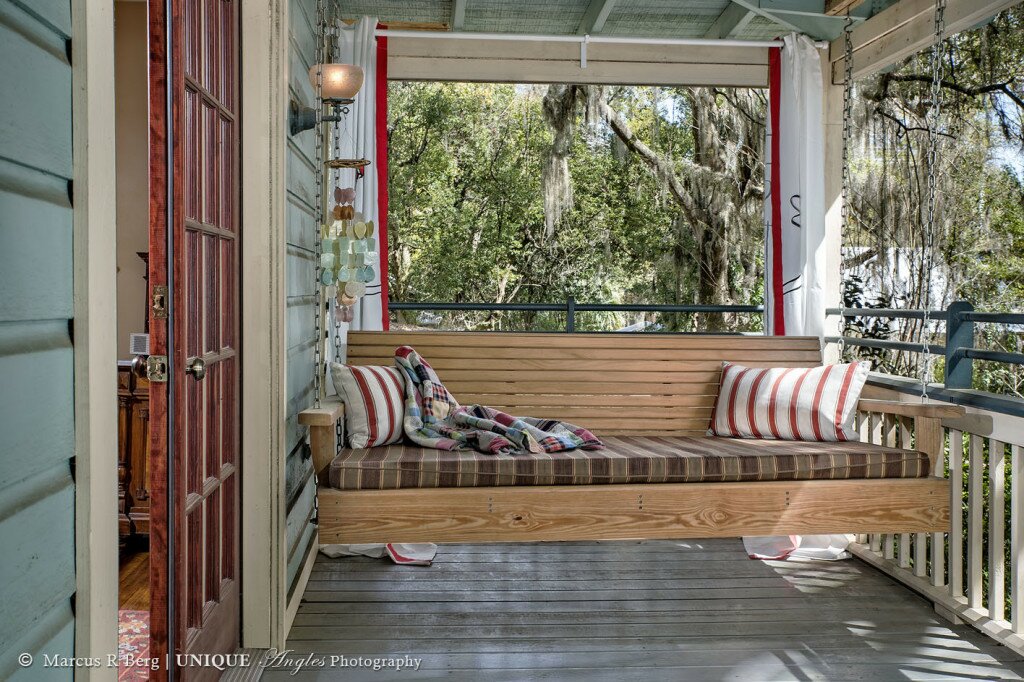
Image by Marcus Berg of Unique Angles Photography
Fill-in-the-blank posts feel incomplete until they’re engaged with. People love filling in blanks, and the most effective fill-in-the-blank posts are the ones that let fans share their ideas.
Make fill-in-the-blank posts and tweets relevant to your fans and the space you’re working in to see the best results.
Use fill-in-the-blank posts as a two-pronged engagement tactic: interact with your online community and get to know them better for future marketing campaigns.
Use the post tactic in conjunction with a specific event, such as a holiday.
Fill in the blank contests are great as they have the potential to actually get people thinking. The contest consists of a sentence of paragraph, and your fans are asked to add their own unique perspective by, obviously, filling in the blanks.
Fill-in-the-blanks are similar to questions. They are simple and create engagement. Some samples of these are:
My favorite social media site is _______________.
I’ve lived in ___________cities in my life.
I laugh every time I think about ______.
Have fun with these, but one piece of advice is to be careful that you don’t leave the blank too open ended for a potentially bad response. Be careful what you make a fill in the blank because people can turn it ugly. That is what happened when the German grocery chain posted this:
“I became an ALDI-lover when I tasted _______ for the first time.”
Tweet out a straightforward question that’s easy to answer. When questions are short and simple, it’s easy for followers to respond because they don’t need to spend a lot of time thinking about their answer or trying to fit a longer reply into 140 characters (or fewer if there is a hashtag).
Fill-in-the-blank tweets get your followers thinking and challenge to them to show their creative side. The key to making fill-in-the-blank tweets work for your company is to relate them to your followers’ interests. Then you will have success!
Here are some behind the scenes secrets to Disney hospitality magic. Disney Company focuses on giving their customers a memorable guest experience that exceeds their expectations by paying attention to details. Hospitality providers know that exceeded expectations leads to returning guests as well as word-of-mouth guest referrals.
Hospitality providers should always analyze the experience from the guest’s perspective. Disney defines “guestology” as the art and science of knowing and understanding their customers. More commonly known as “market research.”
Disney’s theme is “We create happiness [their mission] by providing the finest in entertainment [how their mission is accomplished] for people of all ages everywhere [for whom].” Disney set four criteria standards (in order of priority) which outline the the actions necessary to accomplish their service theme:
Safety (they look out for the welfare and peace of mind of their guests)
Courtesy (they require that every guest be treated like a very important person)
Show (they must offer seamless and exceptional entertainment for guests)
Efficiency (they strive for smooth operation and prioritize their standards)
With the magic of service, Disney recognizes that the most important judges are your customers. Therefore, it is extremely important to know and understand your customers. Demographics are factual knowledge about your guests including who they are, where they are from, and how much they spend. Psychographics seek to better understand guests’ mental states–their needs, wants, expectations, and emotions.
Disney, as a company, watches what people do in their theme parks, resorts, and stores to find out how they can make it more enjoyable for them. They use methods like surveys, comment cards, guest observations, and mystery shoppers as well as read guest letters and emails.
Disney studies guest usage and visitation patterns. Knowledge developed from guests is used to create and improve all elements of the quality service cycle. According to Disney, it is crucial to gather information at a variety of points during a guest’s experience.
With the magic of the cast [what they call their staff], Disney understands that you never get a second chance to make a first impression. Disney trains their cast in universal procedures and behaviors, with performance tips, and guidelines for guest service.
Make eye contact and smile: start and end every guest contact and communication with direct eye contact and a sincere smile
Greet and welcome each and every guest: extend the appropriate greeting to each and every guest with whom you come into contact, make guests feel welcome by providing a special differentiated greeting in each area
Seek out guest contact: it is the responsibility of every cast member to seek out guests who need help or assistance (such as listening to your guests’ needs, answering questions, and offering assistance)
Provide immediate service recovery: it is the responsibility of all cast members to attempt, to the best of their abilities, to immediately resolve a guest service failure before it becomes a guest service problem; always find the answer for the guest and/or find another cast member who can help the guest
Display appropriate body language at all times: it is the responsibility of every cast member to display approachable body language when “on stage” (visible to guests): be attentive, clean cut, have good posture, and appropriate facial expression
Preserve the “magical” guest experience: always focus on the positive rather than the rules and regulations; talking about personal or job-related problems in front of guests is unacceptable
Thank each and every guest: extend to every guest a sincere thank you at the conclusion of every transaction and give an expression of appreciation as he or she leaves your area
With the magic of setting, Disney wanted his cast to pull off fantasy without losing sight of reality. It was important to him that others find their fantasy believable.
Whether companies know it or not, all organizations build messages to their customers into the settings in which they operate. The setting communicates the quality of the person’s products and services that customers can expect as well as the price they are willing to pay.
Setting must be designed and managed effectively to effectively communicate and deliver service to customers. Setting is not restricted to physical properties, but extends to reservation systems, cleanliness, comfort, and so on. Setting components include:
Walt Disney’s motto was, “If you can dream it, you can do it.” “Imagineering” was his term for the blending of creative imagination and technical know-how. Disney has the following ten setting principles:
Know your audience: have a firm understanding of who will be using your setting
Wear your guest’s shoes: evaluate your setting from the customer’s perspective by experiencing it as a customer
Organize the flow of people and ideas: think of the setting as a story and tell that story in a sequenced, organized way; build the same order and logic in the design of customer movement
Create a visual magnet: Disney uses visual landmarks (like Cinderella’s Castle) to orient and attract customers
Communicate with visual literacy: use the languages of color, shape, and form to communicate through setting
Avoid overloads: do not bombard customers with data; let them choose the information when they want it
Tell one story at a time: create one setting for each big idea; avoid the confusion of mixing multiple stories into a single setting
Avoid contradictions: every detail and every setting should support and further your organizational identity and vision
For every ounce of treatment, provide a ton of treat: give your customers the highest value by building an interactive setting that gives them the opportunity to exercise all of their senses
Keeping it up: never get complacent and always maintain your setting; keep it clean, protect it from damage, and repair wear and tear
What does your setting tell your customers? What they see is as important as what they don’t see. Setting not only creates an impression, but it can guide guests through service experiences. Appeal to all five senses: sight (ex: colors), sounds (ex: music), smell (ex: popcorn), touch (ex: water fountains), and taste (ex: changing menus).
The Disney cast must keep onstage [anywhere they are visible to guests] and backstage [not seen by guests] separate. Did you know that Disney employees can go underneath the park to get from one area of the part to another? That is why you will never see a Disney character travel through a section of the theme park unrelated to their character.
Like the Biltmore Estate in Asheville, North Carolina, Disney offers behind-the-scenes tours. Thus, the setting should support and enhance the guest experience and deliver quality service.
Important to Walt Disney was that he provide superior service and hospitality. That meant hiring and training his “cast” to treat the guests with utmost respect. Walt also paid attention to the details of setting.
Walt Disney and his brother Roy’s legacy lives on to this day. Today, Walt Disney World Magic Kingdom in Orlando, Florida has an average of 53,000 visitors each day and is the #1 most-visited theme park in the world.
The Disney empire also includes include Disneyland; EPCOT; Animal Kingdom; Disney television, radio, and movies; and Disney merchandise sold in Disney stores and at Disney theme park locations. Thus, Disney hospitality magic is alive and well.
Your bed and breakfast name sets the tone for what your guests can expect. A good name says a lot about an inn. You want the name to be memorable and give a great first impression.
It is important to take your time and come up with a long list of potential names before deciding. Get a talented group of friends together and just start randomly calling out names. Have someone write down all the bed and breakfast name suggestions.
Permit your gathering of people to suggest whatever name comes to mind. By allowing everything to be spoken, eventually you will have a list of great potential bed and breakfast names.
Only after you have generated this list of names should you then start to evaluate them. Make sure that your bed and breakfast name is:
Simple to pronounce aloud by others (have others repeat the name aloud)
Visualize how your business name will look in a logo, outdoor sign, and on your website. Be sure to get your own email address to be something like:
innkeeper@yourbedandbreakfastname.com
When you know what you want to call your bed and breakfast, you must make sure that the domain name (website address) is available before you register your business name. If there are already bed and breakfast inns with that name, it is best to choose a different name to avoid confusion.
Above all, make sure you absolutely love your name since you will likely say it over and over throughout your time as a bed and breakfast owner. Smart innkeepers ask for ideas from others and take time when they choose their bed and breakfast name.
Vine is an app that lets you post short, up to six-second long video footage loops. These clips can be embedded in Twitter and Facebook posts. Nearly all mobile users. This launched the short-form video craze.
People can like, comment on, and share your footage with other image sharing networks. Early adopters, millennials, teens, and hardcore content creators are taking advantage of this social media platform. Videos are driven by influential people.
Founded in June of 2012, it was acquired by microblogging website Twitter in October of 2012, just prior to its official launch in January of 2013.
Most Vine activity occurs between 10 and 11 am EST
More Vine tweets occur during the weekend than all of the weekdays combined
Vine New Feature:
In July 2014, Vine updated their app with a new “loop count” meaning every time someone watches a vine, a number on top of the video will appear showing how many times it was viewed. The “loop count” also includes views from vines that are embedded on to other websites.
Vine Strategies:
Vine is perfect for creating a short product showcase ahead of launch
Vine is an effective social media channel that companies can use to encourage innovative, imaginative responses in 6-second constraints. If your company is not currently using Vine, this may be a social media platform to consider adding to promote your business.
The practical information about Vine came from the recommended bestselling book by Ekaterina Walter and Jessica Gioglio titled, The Power of Visual Storytelling: How to Use Visuals, Videos, and Social Media to Market Your Brand.
We are highlighting some of the key points made in the very business savvy book, The Power of Visual Storytelling: How To Use Visuals, Videos, and Social Media to Market Your Brand, by Ekatarina Walter (@Ekatarina) and Jessica Gioglio (@savvybostonian). This blog post will focus on their information and tips about using the social media website, Pinterest.
Visual Storytelling Pinterest Facts:
Pinterest drives more referral traffic than Google Plus, YouTube, and LinkedIn combined
80% of Pinterest users are female, women also account for 85% of all consumer purchases
Choose strong themes, great images, snappy title to attract attention
Use images that are colorful, well balanced, and interesting
Add the “Pin It” button and other social sharing buttons to your website
Find ways to involve fans like competitions or sending in pictures of themselves
Decide on the story you want to tell with your images
Focus on what your customers would find useful, entertaining, and inspiring
YouTube Videos can be pinned to boards to show how-to and promotion videos
Show a behind-the-scenes look at staff, the local community, and industry
Put together looks and lifestyle ideas
Pin current popular images such as seasonal trends, events, holidays, and movie releases
By using Pinterest, companies (such as bed and breakfasts) can highlight the best of the best. Since people are visual by nature, putting together boards about various popular themes draws the attention of Pinterest viewers to the companies and their products and services. The Power of Visual Storytelling teaches powerful marketing tips to use social media websites including Pinterest.
I went online to BnB Finder to search for bed and breakfasts and to my pleasant surprise, I found some fun bed and breakfast retreats. These retreats include a board game tournament, a night walk, private art classes, and a literary weekend. Typically, most bed and breakfasts do not offer these kinds of special retreats which makes these bed and breakfasts all the more attractive. Read on for more retreat ideas that you can apply to grow your own B&B business.
In Saugatuck, Michigan (near where I grew up in Holland, Michigan) at Sherwood Forest Bed and Breakfast they offer a Monopoly Tournament from November through April. If the entire B&B is booked, they promise to organize the “hippest” Monopoly Tournament ever played! The winner receives a complete set of Sherwood Forest Gear. Lunch will be catered. This offer may expire at the end of this year. Call for details at 800-838-1246. This reminds me of my Pinterest Board called Bed and Breakfast Games which features different board gamesand game rooms at various bed and breakfasts.
In the Saratoga Region of New York at Mariaville Lake Bed and Breakfast, they offer a Night Walk for a small extra fee. This B&B invites guests to take a walk, guided by the innkeeper, to experience the full night sky. Guests will use a night vision scope and will be amazed at what they can see such as beavers working hard at their famous beaver pond. Advance notice is required and subject to availability and weather conditions. The offer may expire at the end of this year. Contact the innkeeper for more details.
In the Hudson Valley Region of New York, at the Pine Bush House, they offer Stay and Paint private art classes with local artist Lana Privitera. Originally from Spain, Lana graduated from the Fine Arts School of Zaragoza, where she majored in Fashion Design and Art History. Lana has won numerous art awards. She is the current Art Curator for the Pine Bush Public Library. A sampling of her work can be found on her website.
Currently, there are one day and two day Watercolor Workshops (four hours each) available and all tailored to suit individual needs, taste, and ability. Supplies loaned by the instructor, but guests have the opportunity to purchase. Guests receive one FREE double white mat and backing piece (plus an acetate sleeve to protect their “masterpiece”). A list of art material suppliers as well as recommended art books will be provided.
Contact Lana Privitera at lanaprivitera@gmail.com or Barbara at barbara@pinebushhouse.com for detailed pricing! Discounts available if staying two or more nights. This opportunity is available at least through June 20, 2015.
In lovely Vermont, The Governor’s House in Hyde Park offers Jane Austen Weekends full of literary-inspired diversions. Quietly slip back into Regency England in a beautiful historic mansion. Take afternoon tea. Share your thoughts at a book discussion. Attend an informal talk over desserts. Test your knowledge at the quiz brunch and possibly take home a prize.
Take a carriage ride or sleigh ride (depending upon the season). Join every activity or simply spend the weekend watching the movies. Try English country dancing. Dress in whichever century suits you. Jane Austen fans unite!
Examples of bed and breakfast retreats, special packages, andevents include:
Innkeepers are only limited by their imagination. So get creativeand think about what you have passion for. What interests, skills, experience, and talents do you have? Innkeepers do not have to be the instructors. In the Stay and Paint retreat example, the innkeeper has a professional artist and art curator coming to her inn. Arrangements can be made with the experts hosting the event if they are not the bed and breakfast owners or innkeepers.
If you are a bed and breakfast owner or innkeeper and have been successful with a particular retreat, package, excursion, or other event at your B&B, I would love to know about it. Write about your successes to Kristi Dement below. I promise to read every comment and reply when appropriate.
Do you wonder how to ask for a link request? I am going to sum up the main points in the awesome book published by Entrepreneur Press called Ultimate Guide to Link Building: Build Backlinks, Earn a Higher Search Engine Rank, Increase the Authority and Popularity of Your Site by Eric Ward and Garrett French.
Steps:
Look over the website you want to have your link on to make sure it is relevant
Do not put the words “link request” in the email subject line
Start the e-mail off addressing the website owner by name
Introduce yourself, your website, and why you would like to the link
Identify the exact URL on their site where you think the link is a fit
List the exact URL from your site that you want them to link to
Give a valid email address and respond to any email requests they send
Provide your phone number–something a spammer would not do
Follow any link request instructions they give
If a reciprocal link, confirm that you have linked to their site and provide the URL
Be attentive, professional, courteous, and to the point
This book also lists Link Building Strategies written by Jon Cooper of Point Blank SEO:
Provide email signature listing website & ways to connect with you via social media
and much more!
There are always things you can do to draw bigger audiences to your website. By taking the steps to ask for link requests and implementing the link building strategies, you will be well on your way to developing more a popular website.
Readers, I welcome your responses to this post as well as other ideas related to the topic of link requests and link building. I read every comment and respond when appropriate. Thanks! Kristi
Every blogger dreams of a bigger audience. It is human nature to want to be recognized and to receive attention and praise. So just what makes a blog post go viral?
1) Have you grabbed their attention with your title? Opening lines should pique interest and curiosity, show a benefit, highlight a need, promise to entertain/inform/teach, or offer something of value. Work hard early on at hooking your reader into your post.
2) Have you made it easy to read? Readers scan pages online looking for keywords, phrases, and visual clues like numbers and bullet points. Use lists or other formatting techniques to emphasize points. Your content must be appealing, entertaining, engaging, and interactive.
3) Does anybody really care about your topic? No one wants to know what you had for breakfast–unless maybe you had breakfast with a celebrity. Giving people the “inside scoop” on a famous person’s thoughts and secrets will make your blog incredibly popular.
4) Have you had personal experience involving your blog topic? Accomplishments speak volumes to your readers. This does not mean you have to be the CEO of a Fortune 500 company or featured on the cover of People magazine. What lessons have you learned along the way? People tend to respect you more if you share past obstacles or mistakes and how you overcame them.
5) Is this a brand new topic? If you are in the fields of medicine, science, or technology you may very well have cutting edge information to share with the world. We are listening!
6) Is your perspective different and maybe even controversial? Sometimes blunt opinions can get people in trouble, but they can also get passed along. Do you have a hot topic that will lure comments? Be sure to respond to your comments. This is what makes your blog interactive.
7) Is there something fascinating about your topic or are people sick of reading about it because everybody in the world has been covering it? There is only so many times people can take hearing about the celebrities that tend to get all the media attention. It can be annoying when they compare two celebrities who wore the same thing and then make comments on “who wore it better?” Most people don’t care!
8) Is there something hilarious, quirky, or unbelievable about it? There is a large dog in my neighborhood who, from behind his fence, will jump up and down like he is on a pogo stick all across his backyard when he sees my dog and I walking together. I need to get that on video! Speaking of…
9) Do you have a good graphic, photo, or video available? Humans are very visual creatures. That is part of the reason why Pinterest other image sharing social media sites like Instagram have done so well. Did you know Pinterest has over 70 millions users?
10) Have you shared your blog post on every relevant social media channel? You may want to describe the post differently depending upon the platform. Since Linked In is for business and career-minded people, you may have a different way of promoting your blog post to your Linked In connections than to your Facebook fans and friends.
How will you know if your blog post was successful?
Number of unique visitors to your blog post
Re-tweets, shared links, social network mentions
Quality of the blogs and websites where your blog post is referenced
Frequency of approaches by people interested in working with you
Amount of paid opportunities that result from your blog
Blog subscriber numbers
E-mail sign ups
If people who have powerful influence refer to your blog
The number and quality of comments from your readers
Trust me, you will know! Do you have any ideas about what makes a blog post go viral? Please share below. I read all comments and respond when appropriate.
Not only can you start pinning pins from Pinterest, you can also start following boards on Pinterest. I am going to name the categories of boards and provide an example or two in parentheses of how this can apply to promoting your bed and breakfast.
As I write this, there are 7 featured boards:
Art (artwork of bed and breakfasts or people eating in bed)
Design (your website, your B&B stationery, your logo, etc.)
DIY and Crafts (guests with hobbies)
Food and Drink (pictures and recipes of what you make your guests)
Home Decor (for any room in your B&B)
Photography (breathtaking pictures that inspire)
Travel (you want them to travel to your area)
They also have the following categories:
Animals (pets and farm animals at your B&B)
Architecture (style of architecture of your B&B)
Cars and Motorcycles (that belong to you, your guests, or you want to have)
Celebrities (know of a celebrity that has stayed at a B&B? even cooler if it was at yours)
Education (feature local colleges and universities)
Film, Music, and Books (such as fiction books with B&B settings)
Gardening (pictures of your landscaping and those you admire)
Geek (such as avatars and comics and movies you like)
Hair and Beauty (does your B&B have a spa?)
Health and Fitness (feature your most healthy breakfasts)
History (is your B&B historical?)
Holidays and Events (if you decorate for the holidays, take pictures!)
Illustrations and Posters (anything that speaks to you and possibly your guests)
Kids (are you a kid friendly B&B?)
Men’s Fashion (if your B&B is in the mountains, feature hiking apparel)
Outdoors (pictures of local attractions)
Products (do you sell anything, like a cookbook or coffee mug?)
Quotes (positive quotes about life, success, and fun)
Science and Nature (pictures of the nature around your B&B)
Sports (what activities do people do when they visit you?)
Tattoos (of guests that visit if you ask their permission first)
Technology (do you offer free wi-fi access to your guests?)
Weddings (does your B&B perform wedding ceremonies?)
Women’s Fashion (if your B&B is in a warm place, feature summer outfits)
That is quite a list and it is sure to change as all social media changes, but that should give you some ideas on what you can pin about! Your only limit is your imagination!