Tag Archives: music

Behind the Scenes Secrets to Disney Hospitality Magic

Here are some behind the scenes secrets to Disney hospitality magic.  Disney Company focuses on giving their customers a memorable guest experience that exceeds their expectations by paying attention to details. Hospitality providers know that exceeded expectations leads to returning guests as well as word-of-mouth guest referrals.

Hospitality providers should always analyze the experience from the guest’s perspective.  Disney defines “guestology” as the art and science of knowing and understanding their customers. More commonly known as “market research.”

Disney’s theme is “We create happiness [their mission] by providing the finest in entertainment [how their mission is accomplished] for people of all ages everywhere [for whom].”  Disney set four criteria standards (in order of priority) which outline the the actions necessary to accomplish their service theme:

  • Safety (they look out for the welfare and peace of mind of their guests)
  • Courtesy (they require that every guest be treated like a very important person)
  • Show (they must offer seamless and exceptional entertainment for guests)
  • Efficiency (they strive for smooth operation and prioritize their standards)

Epcot Theme Park - Walt Disney World Resort 2016 China Park

With the magic of service, Disney recognizes that the most important judges are your customers.  Therefore, it is extremely important to know and understand your customers.  Demographics are factual knowledge about your guests including who they are, where they are from, and how much they spend.  Psychographics seek to better understand guests’ mental states–their needs, wants, expectations, and emotions.

Disney, as a company, watches what people do in their theme parks, resorts, and stores to find out how they can make it more enjoyable for them.  They use methods like surveys, comment cards, guest observations, and mystery shoppers as well as read guest letters and emails.

Disney studies guest usage and visitation patterns.  Knowledge developed from guests is used to create and improve all elements of the quality service cycle.  According to Disney, it is crucial to gather information at a variety of points during a guest’s experience.

With the magic of the cast [what they call their staff], Disney understands that you never get a second chance to make a first impression.  Disney trains their cast in universal procedures and behaviors, with performance tips, and guidelines for guest service.

  • Make eye contact and smile: start and end every guest contact and communication with direct eye contact and a sincere smile
  • Greet and welcome each and every guest: extend the appropriate greeting to each and every guest with whom you come into contact, make guests feel welcome by providing a special differentiated greeting in each area
  • Seek out guest contact: it is the responsibility of every cast member to seek out guests who need help or assistance (such as listening to your guests’ needs, answering questions, and offering assistance)
  • Provide immediate service recovery: it is the responsibility of all cast members to attempt, to the best of their abilities, to immediately resolve a guest service failure before it becomes a guest service problem; always find the answer for the guest and/or find another cast member who can help the guest
  • Display appropriate body language at all times: it is the responsibility of every cast member to display approachable body language when “on stage” (visible to guests):  be attentive, clean cut, have good posture, and appropriate facial expression
  • Preserve the “magical” guest experience: always focus on the positive rather than the rules and regulations; talking about personal or job-related problems in front of guests is unacceptable
  • Thank each and every guest: extend to every guest a sincere thank you at the conclusion of every transaction and give an expression of appreciation as he or she leaves  your area

Epcot Theme Park - Walt Disney World Resort Scandinavian Village

With the magic of setting, Disney wanted his cast to pull off fantasy without losing sight of reality.  It was important to him that others find their fantasy believable.

Whether companies know it or not, all organizations build messages to their customers into the settings in which they operate.  The setting communicates the quality of the person’s products and services that customers can expect as well as the price they are willing to pay.

Setting must be designed and managed effectively to effectively communicate and deliver service to customers.  Setting is not restricted to physical properties, but extends to reservation systems, cleanliness, comfort, and so on.  Setting components include:

  • Architectural design
  • Color
  • Directional design on carpet
  • Focal points and directional signs
  • Landscaping
  • Lighting
  • Music and ambient noise
  • Signage
  • Smell
  • Taste
  • Texture of the floor surface
  • Touch/tactile experiences

Walt Disney’s motto was, “If you can dream it, you can do it.”  “Imagineering” was his term for the blending of creative imagination and technical know-how.  Disney has the following ten setting principles:

  • Know your audience: have a firm understanding of who will be using your setting
  • Wear your guest’s shoes: evaluate your setting from the customer’s perspective by experiencing it as a customer
  • Organize the flow of people and ideas: think of the setting as a story and tell that story in a sequenced, organized way; build the same order and logic in the design of customer movement
  • Create a visual magnet: Disney uses visual landmarks (like Cinderella’s Castle) to orient and attract customers
  • Communicate with visual literacy: use the languages of color, shape, and form to communicate through setting
  • Avoid overloads: do not bombard customers with data; let them choose the information when they want it
  • Tell one story at a time: create one setting for each big idea; avoid the confusion of mixing multiple stories into a single setting
  • Avoid contradictions: every detail and every setting should support and further your organizational identity and vision
  • For every ounce of treatment, provide a ton of treat: give your customers the highest value by building an interactive setting that gives them the opportunity to exercise all of their senses
  • Keeping it up: never get complacent and always maintain your setting; keep it clean, protect it from damage, and repair wear and tear

Epcot Theme Park - Walt Disney World Resort Morroccan Area

What does your setting tell your customers?  What they see is as important as what they don’t see.  Setting not only creates an impression, but it can guide guests through service experiences.  Appeal to all five senses: sight (ex: colors), sounds (ex: music), smell (ex: popcorn), touch (ex: water fountains), and taste (ex: changing menus).

The Disney cast must keep onstage [anywhere they are visible to guests] and backstage [not seen by guests] separate.  Did you know that Disney employees can go underneath the park to get from one area of the part to another? That is why you will never see a Disney character travel through a section of the theme park unrelated to their character.

Like the Biltmore Estate in Asheville, North Carolina, Disney offers behind-the-scenes tours.  Thus, the setting should support and enhance the guest experience and deliver quality service.

Important to Walt Disney was that he provide superior service and hospitality.  That meant hiring and training his “cast” to treat the guests with utmost respect.  Walt also paid attention to the details of setting.

Walt Disney and his brother Roy’s legacy lives on to this day.  Today, Walt Disney World Magic Kingdom in Orlando, Florida has an average of 53,000 visitors each day and is the #1 most-visited theme park in the world.

The Disney empire also includes include Disneyland; EPCOT; Animal Kingdom; Disney television, radio, and movies; and Disney merchandise sold in Disney stores and at Disney theme park locations.  Thus, Disney hospitality magic is alive and well.

Everybody Writes: Email & More

everybody-writes

Ann Handley, author of Everybody Writes: Your Go-To Guide To Creating Ridiculously Good Content, offers tips for writing email and much more.  This can be applied to bed and breakfast marketing as well.

Writing For Email:

  • Use short subject lines (Vacation in “Your Location”)
  • Let your free flag fly (“your third night is free”)
  • Use the recipient’s first name (to personalize it)
  • Keep the email copy short (remember WHY you are writing it)
  • Be a real person and communicate with a real voice (write like a friend)
  • Show enormous empathy (“we understand your need to get away”)
  • Use real images (show inviting pictures of your B&B)
  • Have a specific call to action (ex: click here to subscribe to our blog posts)
  • Make sure you are aware of CAN-SPAM Act of 2003 (spam = legal trouble)

Writing For Landing Pages:

  • Match the message to the promise
  • Avoid sharing too much information (keep it to the point)
  • Keep your headline benefit-driven (what is in it for them?)
  • Be brief in subheads (most of the time)
  • Use second person with action verbs (a lot of “you” and “your”)
  • Be blindingly obvious as to what the person should do next (“book now”)
  • Use buttons that are big, bright, and bold
  • Show, don’t tell
  • Keep things simple
  • Use trust indicators and social proof to reduce anxiety (ex: TRUST-e, BBB)

Writing Headlines:

  • Create a curiosity gap, but with moderation
  • Promise what you are going to deliver
  • Place your reader directly into the headline
  • Use numbers (helps people know what to expect before they read it)
  • Use lively words: ultimate, brilliant, awesome, intense, hilarious, smart, critical, surprising, etc.

Ann Handley, author of Everybody Writes: Your Go-To Guide To Creating Ridiculously Good Content, gives practical tips for writing your “Home” page and your “About Us” page.

Writing A Home Page:

  • Speak to your audience
  • Tell people what is in it for them
  • Know what motivates your audience
  • Keep it simple
  • Use words your audience uses
  • Communicate clear value
  • Convey trust
  • Social proof

Ann Handley recommends that your home page leave the reader feeling like, “We get you.  And what’s more, you belong here.  We understand your challenges, your fears, your pain, your hopes, your needs…”

Writing The About Us Page:

  • The best “About Us” pages are not really about the company
  • Those pages focus on relaying who they are in relation to the reader
  • Talk about what you do for customers (your B&B guests)
  • Show a human, accessible side
  • Show your people as real people
  • Bring your customers into your story (real stories from your guests)
  • Why do customers care about what you do?
  • How have you helped them?
  • Put customer testimonials on video (with guests permission, do video testimonials)

Getting To Know The Staff:

  • Favorite quotes
  • What they eat for breakfast (may be a signature dish from your inn)
  • Music preferences
  • Travel experiences
  • What they do in their spare time (may be leisure activities near your inn)

With any kind of writing these valuable suggestions from Ann Handley can be implemented. Then bed and breakfasts will likely attract more business. If you are too busy as an innkeeper (or have no desire to do marketing), contact Kristi Dement of Bed and Breakfast Blogging for a free consultation.

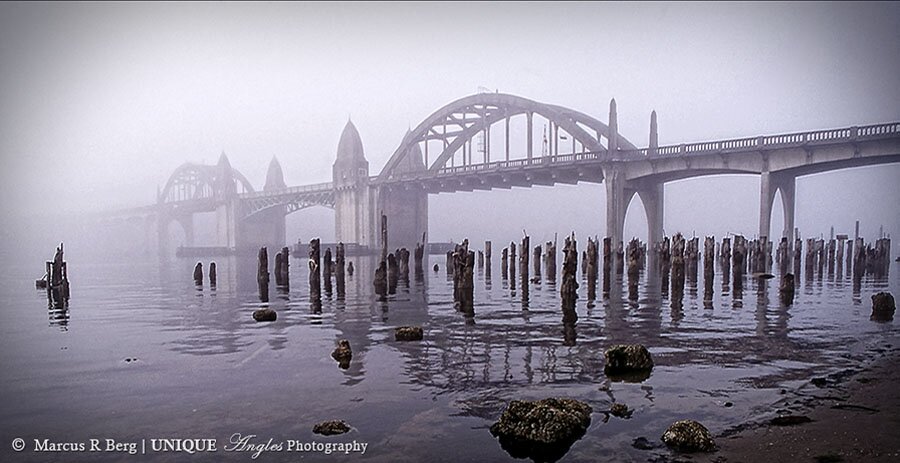
Image by Marcus Berg of Unique Angles Photography

Visual Storytelling: Tumblr

visual-storytelling-tumblr

We have been promoting the book The Power of Social Media: How to Use Visuals, Videos, and Social Media to Market Your Brand by Ekaterina Walter and Jessica Gioglio. This particular blog post will give a sneak peak into the authors comments about Tumblr.

For those not familiar with it, Tumblr is a social media channel that allows users to quickly reblog posts (texts, images, links, quotes, music, or videos) by others. Recently, Yahoo! purchased Tumblr for $1.1 billion. Tumblr is for quick visual inspiration and consumer lust. Users can only add comments if they reblog your post.

Tumblr Statistics:

  • 50% of posts on Tumblr are photos
  • Total unique worldwide visitors are more than 117 million
  • 52% of Tumblr visitors are male
  • 46.5% of Tumblr visitors are 18-34 years old
  • 35.2% of Tumblr visitors have a household income of greater than $100,000 per year
  • The average users spends 1 hr. 38 min. of time each month on the website doing nothing, but consuming content
  • The average Tumbler visit lasts 34 minutes

Tumblr Strategies:

  • Follow other Tumblr users and reblog relevant content
  • Post, promote, and participate in the Tumblr community
  • Let pictures tell the story on your Tumblr account, with text being secondary
  • The best time to post is between 7-10 pm EST on Monday through Thursday and anytime on Sunday
  • Use relevant tags so that your images show up in searches
  • Reblog plenty of content from other users
  • Keep a focus on your goals and repost only what is relevant to your message
  • Have a strategy and calendar to keep a steady stream of quality content
  • Keep a good mix of product info, lifestyle posts, and other content to not appear overly commercial
  • Combine visual, text, quotes, audio, and video in your feed
  • Stay consistent with tags and use a handful of “official” tags
  • Keep content fresh and post often
  • View analytics to see what sort of posts drive the most traffic, but still post a variety
  • Spend some time getting to know that platform and the kinds of content that people post

A Tumblr blog can be incorporated directly into a corporate website, which is great for search engine ranking. Businesses can use Tumblr as an overview of what is on their website.


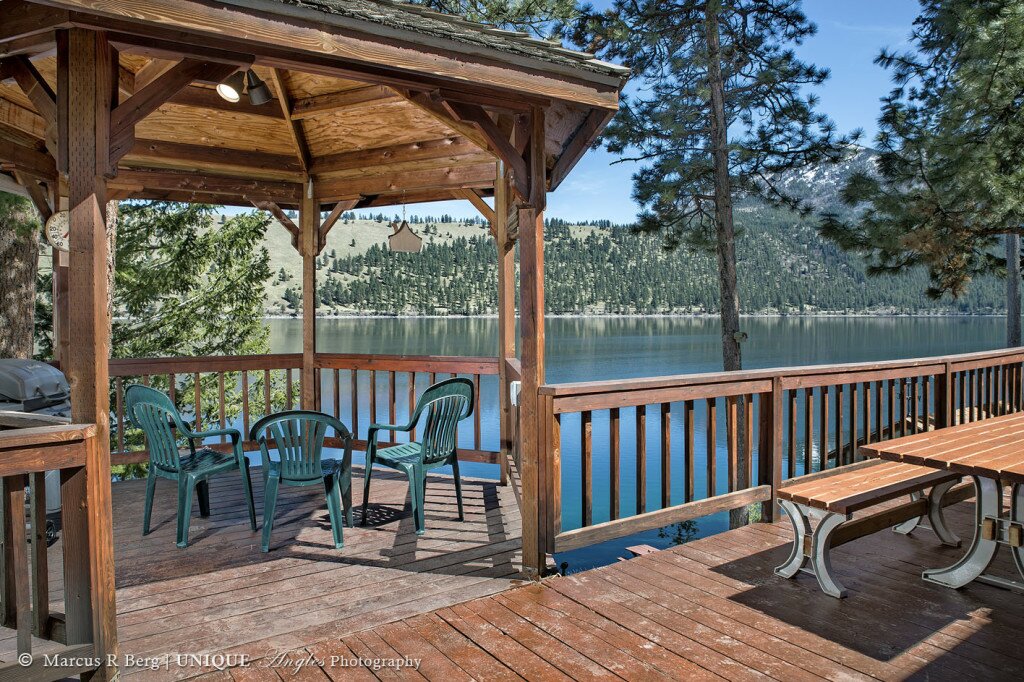
Image by Marcus Berg of Unique Angles Photography

Great Conversation Starters While Hosting Guests


great-conversation-starters-while-hosting-guests

It is always a good idea to have some topics of conversation in mind if you regularly host guests at your bed and breakfast.  Having a mental list of what to talk about means you will feel comfortable interacting with perfect strangers at any time. The biggest secret to being a good conversationalist is simply allowing other people to talk about themselves. Why? It is a subject they probably know well and are comfortable talking about.

Since they are likely to be out of town guests when they visit, this automatically gives you some conversation topics, including the reason for their stay at your B&B.

  • Are you celebrating a special occasion (birthday, anniversary, reunion, etc.)?
  • What attracted you to visit us in this area?
  • Does our area have a leisure activity or event you will be participating in?
  • Where else have you been on vacation?
  • What was your most favorite vacation destination so far?
  • If you could live anywhere in the world, where would it be?

People love talking about what they eat or want to eat.  Think about the popularity of Food Network and online recipe websites!  Inquire about their favorite foods including breakfast dishes.  During the time they book the room is the best time to find out if they are allergic to any foods or on a restricted diet since you, or your staff, will be cooking for them.  If you realize that question was never answered, take the first opportunity to ask.

  • What is your favorite food?
  • If you could only have one meal for the rest of your life, what would it be?
  • Where do you like to go when you eat out?
  • Do you like to cook? If so, do you have a signature dish?
  • Are there any foods that you would like to try?

If they bring up their family, then it is perfectly acceptable to have a discussion centered around that.  Most people love talking about their family.  However, we need to be sensitive to people who may have strained family relationships, family members who are ill, infertility issues, or some other personal struggle in their lives.

  • Do you have any siblings?
  • What is your favorite childhood memory?
  • Did you have a pet growing up?  Do you have any pets now?
  • As a kid, how did you most like to spend your time?

Another topic of conversation could be about sports.  Since there are so many different sports, it is a safe bet that they, or someone they know, have an interest in sports.  They do not need to be a talented athlete to enjoy watching sports.

  • Do you play or follow any sports?
  • Who is your favorite athlete?
  • How do you like to exercise?
  • What is your favorite sports team?

Ask them about their technology and entertainment preferences.  This can lead to lively discussions about favorites.  Then you can mention (if it is available for them) that you offer a free Wi-Fi connection and/or a book, CD and/or DVD collection available for guests to borrow.

  • What are your favorite TV shows?
  • What kind of movies do you like?
  • What was the last movie you saw?
  • Who is your favorite actor/actress?
  • What is your favorite movie of all time?
  • What type of music do you like to listen to?  Who are your favorite musicians?
  • Do you like to read?  If so, what kind of books do you read?
  • What’s your favorite board game or card game?

Carefully ask about work, but try not to make it sound like a job interview.  Remember that your guest(s) may be studying, retired, or “between jobs”.  Also keep in mind your guest(s) may be traveling on business while they stay with you.

  • What do you do for a living? Where do you work (or study)?
  • What was your first job ever?
  • When you were a kid, what did you want to be when you grew up?
  • What do you like best about your job?
  • If money was no object yet you still wanted to work, what would be your dream job?

The key is to keep it light. The goal is to build rapport with your guests.  Stick to topics that are interesting and entertaining to talk about.  Most people are looking for polite and lighthearted topics to discuss–it is wise to avoid controversial topics like politics and religion. Leave them with a great impression so they give you and your B&B a positive testimonial about your hospitality via your online guest book.


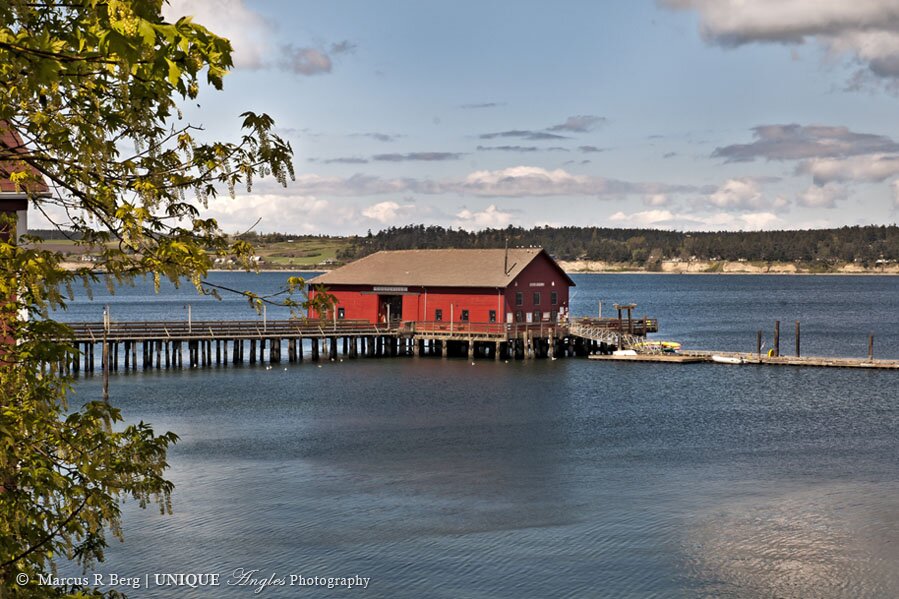
Image by Marcus Berg of Unique Angles Photography

New Year’s Eve Resolutions

new-years-eve-resolutions

Do you have any 2014 New Year’s Eve resolutions for your bed and breakfast?  Here are some possible improvements or new beginnings with your online presence:

1. Your Website:

  • What are its strengths?
  • What are its weaknesses?
  • What opportunities come about? (business)
  • What threats does it have? (competitors)

2. Your Blog:

  • Do we have one?
  • If so, is it attracting more visitors and more bookings?
  • Do we need to hire someone to blog for us?
  • Can that person blog about a variety of issues related to innkeeping?

3. Your Social Media Presence:

  • Facebook–does our B&B have a Business or Fan page?
  • Twitter–do we regularly tweet?  do we know what to tweet?
  • Pinterest–do we post pictures of our B&B?  pictures of our food?
  • Linked In–do we have a profile as an innkeeper on Linked In?
  • You Tube–do we have videos promoting our B&B?

4. Your Membership in Associations & Organizations Giving Web Presence:

  • Professional Association of Innkeepers International (PAII)
  • BnB Finder
  • BB Online
  • Bed and Breakfast.com
  • Select Registry

5. Your Public Image and Community Outreach:

  • Conferences–do we attend conferences on Innkeeping?
  • Business meetings–do we hold business meetings at our B&B?
  • Weddings–do we offer weddings?  If not, could we?
  • Music–do we host concerts or recitals?

So think about your website, blog, social media presence, associations, and public image & outreach goals for 2014.  Kristi Dement, of Bed and Breakfast Blogging, wishes you a prosperous New Year full of wonderful guests that stay at your bed and breakfast!


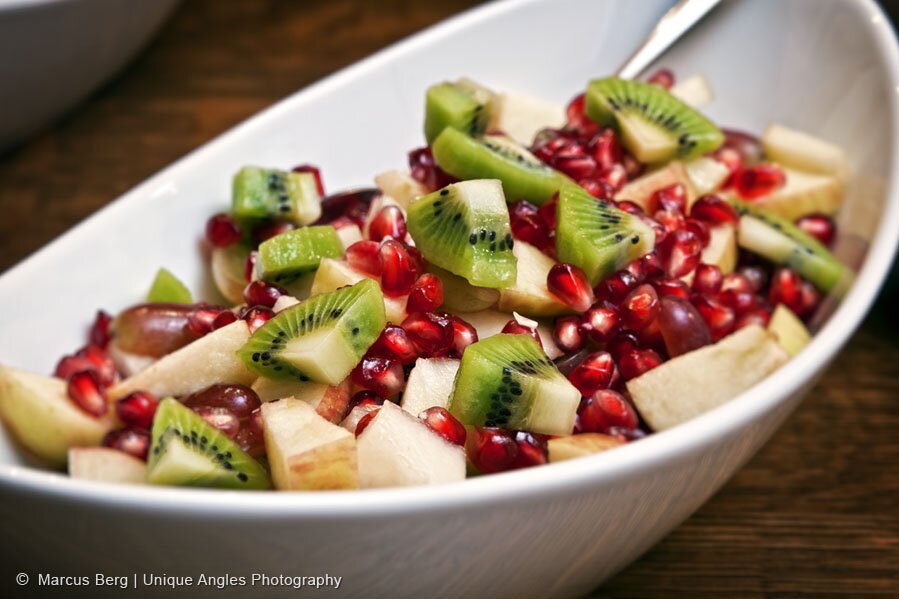
Image by Marcus Berg of Unique Angles Photography

Why You Need to Use Pinterest

use-pinterest

Pinterest may be the perfect tool for letting potential guests know about your bed and breakfast.  Ben Silbermann, Evan Sharp, and Paul Sciarra co-founded this website in March 2010. Millions of people use the website to pick up new hobbies, find their style, and plan life’s important projects.

Pinterest has pins that are like handsome little bookmarks. Whenever you find something on the web that you want to keep, add it to Pinterest. Your newly minted Pin will be here whenever you need it, and will always link back to the site it came from.

Boards are where you organize your Pins, and you get to decide what your boards will be all about. This is a great way for bed and breakfast owners to get ideas about cooking, decorating, gardening, hospitality, and more! Plus this is your chance to post pictures of your bed and breakfast, including:

  • The outside of your B&B
  • Your rooms and bathrooms
  • Your delicious breakfasts and recipes
  • Your garden, pool, hot tub, or any other amenity
  • Events such as weddings and music performances
  • Your library of books, DVD collection, etc.

Really the sky is the limit as far as how many pins you want to post. The point is that potential guests will see your bed and breakfast and click to find out more about you from your website.

This is a huge and free marketing opportunity!  All it costs is the time it takes to share the pictures (your own and the millions of other pictures already on the Pinterest website)! Be sure to check out Bed and Breakfast Blogging’s very own Pinterest website!


Image by Marcus Berg of Unique Angles Photography