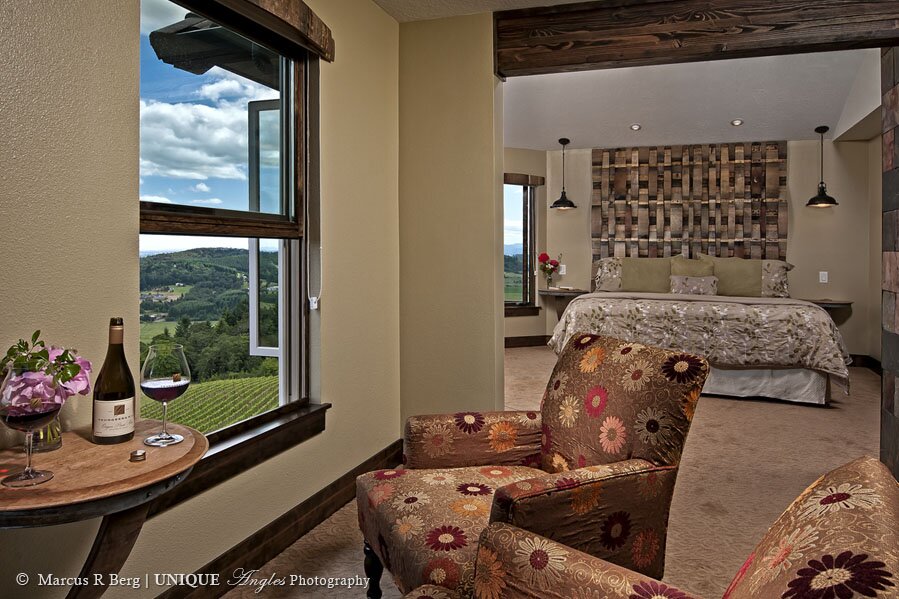
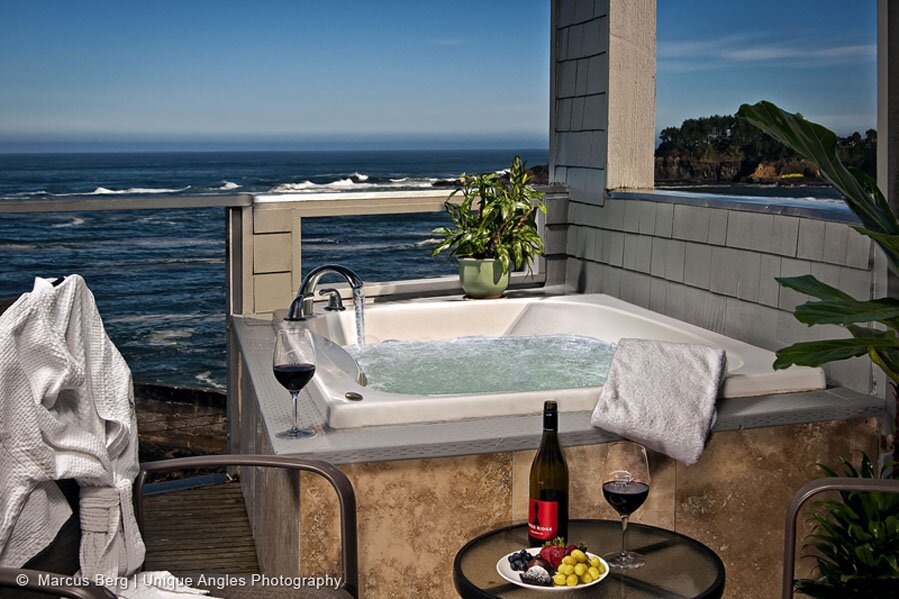
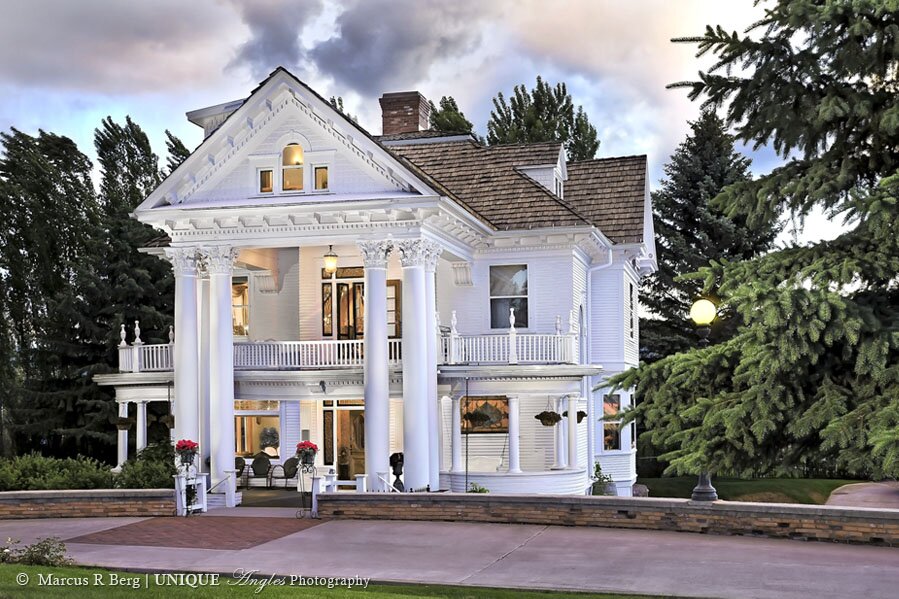
Tag Archives: lighting

Behind the Scenes Secrets to Disney Hospitality Magic

Here are some behind the scenes secrets to Disney hospitality magic.  Disney Company focuses on giving their customers a memorable guest experience that exceeds their expectations by paying attention to details. Hospitality providers know that exceeded expectations leads to returning guests as well as word-of-mouth guest referrals.

Hospitality providers should always analyze the experience from the guest’s perspective.  Disney defines “guestology” as the art and science of knowing and understanding their customers. More commonly known as “market research.”

Disney’s theme is “We create happiness [their mission] by providing the finest in entertainment [how their mission is accomplished] for people of all ages everywhere [for whom].”  Disney set four criteria standards (in order of priority) which outline the the actions necessary to accomplish their service theme:

  • Safety (they look out for the welfare and peace of mind of their guests)
  • Courtesy (they require that every guest be treated like a very important person)
  • Show (they must offer seamless and exceptional entertainment for guests)
  • Efficiency (they strive for smooth operation and prioritize their standards)

Epcot Theme Park - Walt Disney World Resort 2016 China Park

With the magic of service, Disney recognizes that the most important judges are your customers.  Therefore, it is extremely important to know and understand your customers.  Demographics are factual knowledge about your guests including who they are, where they are from, and how much they spend.  Psychographics seek to better understand guests’ mental states–their needs, wants, expectations, and emotions.

Disney, as a company, watches what people do in their theme parks, resorts, and stores to find out how they can make it more enjoyable for them.  They use methods like surveys, comment cards, guest observations, and mystery shoppers as well as read guest letters and emails.

Disney studies guest usage and visitation patterns.  Knowledge developed from guests is used to create and improve all elements of the quality service cycle.  According to Disney, it is crucial to gather information at a variety of points during a guest’s experience.

With the magic of the cast [what they call their staff], Disney understands that you never get a second chance to make a first impression.  Disney trains their cast in universal procedures and behaviors, with performance tips, and guidelines for guest service.

  • Make eye contact and smile: start and end every guest contact and communication with direct eye contact and a sincere smile
  • Greet and welcome each and every guest: extend the appropriate greeting to each and every guest with whom you come into contact, make guests feel welcome by providing a special differentiated greeting in each area
  • Seek out guest contact: it is the responsibility of every cast member to seek out guests who need help or assistance (such as listening to your guests’ needs, answering questions, and offering assistance)
  • Provide immediate service recovery: it is the responsibility of all cast members to attempt, to the best of their abilities, to immediately resolve a guest service failure before it becomes a guest service problem; always find the answer for the guest and/or find another cast member who can help the guest
  • Display appropriate body language at all times: it is the responsibility of every cast member to display approachable body language when “on stage” (visible to guests):  be attentive, clean cut, have good posture, and appropriate facial expression
  • Preserve the “magical” guest experience: always focus on the positive rather than the rules and regulations; talking about personal or job-related problems in front of guests is unacceptable
  • Thank each and every guest: extend to every guest a sincere thank you at the conclusion of every transaction and give an expression of appreciation as he or she leaves  your area

Epcot Theme Park - Walt Disney World Resort Scandinavian Village

With the magic of setting, Disney wanted his cast to pull off fantasy without losing sight of reality.  It was important to him that others find their fantasy believable.

Whether companies know it or not, all organizations build messages to their customers into the settings in which they operate.  The setting communicates the quality of the person’s products and services that customers can expect as well as the price they are willing to pay.

Setting must be designed and managed effectively to effectively communicate and deliver service to customers.  Setting is not restricted to physical properties, but extends to reservation systems, cleanliness, comfort, and so on.  Setting components include:

  • Architectural design
  • Color
  • Directional design on carpet
  • Focal points and directional signs
  • Landscaping
  • Lighting
  • Music and ambient noise
  • Signage
  • Smell
  • Taste
  • Texture of the floor surface
  • Touch/tactile experiences

Walt Disney’s motto was, “If you can dream it, you can do it.”  “Imagineering” was his term for the blending of creative imagination and technical know-how.  Disney has the following ten setting principles:

  • Know your audience: have a firm understanding of who will be using your setting
  • Wear your guest’s shoes: evaluate your setting from the customer’s perspective by experiencing it as a customer
  • Organize the flow of people and ideas: think of the setting as a story and tell that story in a sequenced, organized way; build the same order and logic in the design of customer movement
  • Create a visual magnet: Disney uses visual landmarks (like Cinderella’s Castle) to orient and attract customers
  • Communicate with visual literacy: use the languages of color, shape, and form to communicate through setting
  • Avoid overloads: do not bombard customers with data; let them choose the information when they want it
  • Tell one story at a time: create one setting for each big idea; avoid the confusion of mixing multiple stories into a single setting
  • Avoid contradictions: every detail and every setting should support and further your organizational identity and vision
  • For every ounce of treatment, provide a ton of treat: give your customers the highest value by building an interactive setting that gives them the opportunity to exercise all of their senses
  • Keeping it up: never get complacent and always maintain your setting; keep it clean, protect it from damage, and repair wear and tear

Epcot Theme Park - Walt Disney World Resort Morroccan Area

What does your setting tell your customers?  What they see is as important as what they don’t see.  Setting not only creates an impression, but it can guide guests through service experiences.  Appeal to all five senses: sight (ex: colors), sounds (ex: music), smell (ex: popcorn), touch (ex: water fountains), and taste (ex: changing menus).

The Disney cast must keep onstage [anywhere they are visible to guests] and backstage [not seen by guests] separate.  Did you know that Disney employees can go underneath the park to get from one area of the part to another? That is why you will never see a Disney character travel through a section of the theme park unrelated to their character.

Like the Biltmore Estate in Asheville, North Carolina, Disney offers behind-the-scenes tours.  Thus, the setting should support and enhance the guest experience and deliver quality service.

Important to Walt Disney was that he provide superior service and hospitality.  That meant hiring and training his “cast” to treat the guests with utmost respect.  Walt also paid attention to the details of setting.

Walt Disney and his brother Roy’s legacy lives on to this day.  Today, Walt Disney World Magic Kingdom in Orlando, Florida has an average of 53,000 visitors each day and is the #1 most-visited theme park in the world.

The Disney empire also includes include Disneyland; EPCOT; Animal Kingdom; Disney television, radio, and movies; and Disney merchandise sold in Disney stores and at Disney theme park locations.  Thus, Disney hospitality magic is alive and well.

Professional Hospitality Photographer Marcus Berg of Unique Angles Photography

Breakfast-05Logo

Professional Hospitality Photographer Marcus Berg, from Unique Angles Photography, develops beautiful pictures for his hospitality clients.  When asked how he first got interested in photography, he said he received a phone call from a friend who asked him to take photos at her wedding reception.

This was back in the late 1980s when he did not even own a camera.  Borrowing a camera from his brother-in-law, Marcus later was told that his images of the wedding reception came out the best.  It was then that he decided to take a class at a community college.  Marcus Berg started his Unique Angles Photography business in January of 1994.  From his website, his bio reads:

Bio - Unique Angles Photography 2015-10-23 19-17-04

Marcus takes his wife to a bed and breakfast on every wedding anniversary.  In 2007, he was asked to attend a bed and breakfast conference.  This was his introduction to the world of hospitality.  After a few years, he devoted all of his interest in the hospitality industry.

His clientele is mainly in the B&B industry, but he has grown into serving boutique hotels as well.  He has done work from hotels, wineries, architects, and restaurants. He has kept the mindset for the hospitality image.

JuraRm-03Logo

What he likes most about being a professional photographer is being able to be creative and unique.  He is happy when he can make an image that attracts viewers to his client’s particular location.  Marcus also enjoys making so many new friends while doing his expert photography work.

When I asked him how he was able to masterfully capture the beauty of what is outside from inside a room, he explained that he captures the same lighting with an interior image, matching the exterior light because of his photography experience using lights and angles while keeping an interest in details.

Before Picture                                                         After Picture

Unique-Angles-PhotographyUnique-Angles-Photography

Marcus said that it is crucial for a hospitality business to have excellent photography because of how fast technology is moving these days.  Guests looking for places to stay make decisions based on the images they see.  First impressions stick in one’s memory.

Hospitality owners not only should have images with warm colors, but also an invitational feeling.  Images that enable potential guests to picture themselves right there.  According to Marcus, people do not read about a location before they see images of it.  They read to confirm the images.

Room1-02Logo

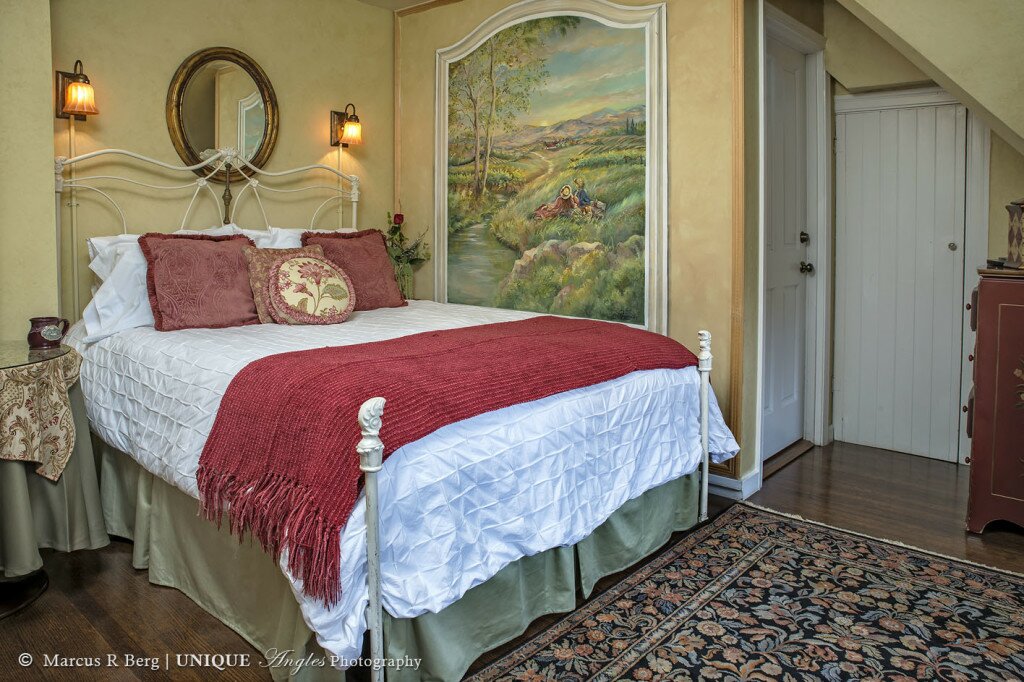
It is important for innkeepers to hire a good professional photographer who specializes in hospitality.  Updated images help hospitality businesses with reservations and they will see an increase in their bookings.  This increase in occupancy rates improves their bottom line.  Thus, good images make a profitable difference on a website.

Bed and breakfast innkeepers more than make back what they spend on professional photography and the images last.  Innkeepers can use last years’ photos to continue to build reservations, even though the photographer was only there a short period of time.

Exterior-01Logo

Since Marcus is based in Oregon, his ventures started taking him around the state.  Then after he started attending more conferences, he made more contacts and soon was traveling the whole west coast.  Then he decided to branch out and made a contact in Texas and got the job.

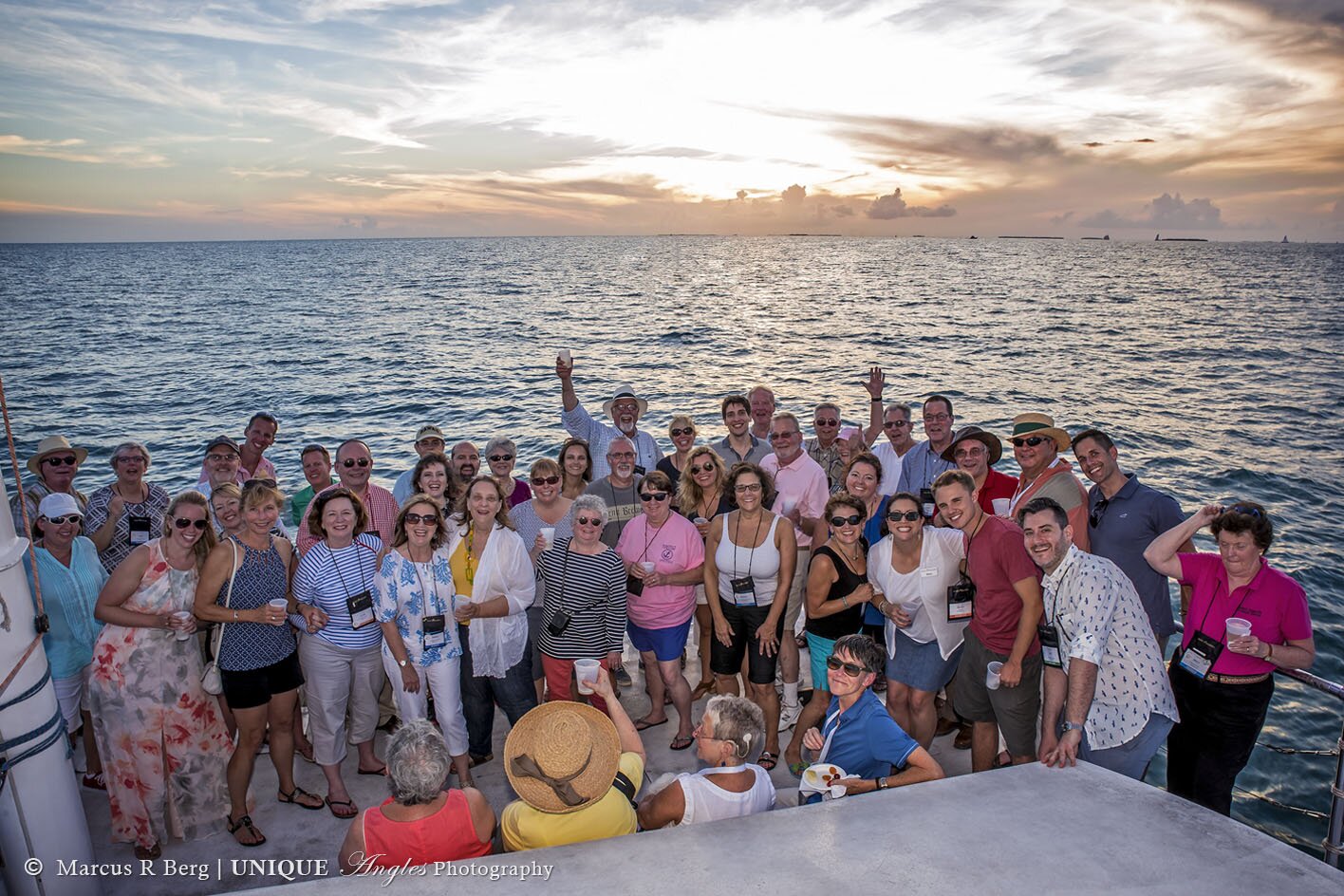
Since then, he has made contacts all over the nation.  He has traveled to all four corners of the United States and many states in between.  Taking photos at conferences supports the association putting on the conference and helps increase his exposure to potential hospitality clients.

Sunset Cruise-02Logo

Marcus said that the greatest part of the type of work he does is being able to meet so many wonderful people across the nation.  The hospitality industry has become a family set for him and every time he attends a conference or returns to a familiar inn, he said it is like being home.

You can see more of Marcus Berg’s Unique Angles Photography work on his website that lists some of his previous hospitality clients and their testimonials.  You can also follow Marcus on social media: Facebook, LinkedIn, Pinterest, and Twitter.  Thank you, Marcus Berg, for letting me display some of your gorgeous photography on the Bed and Breakfast Blogging website as well!

Bed and Breakfast Bathrooms

bed-and-breakfast-bathrooms

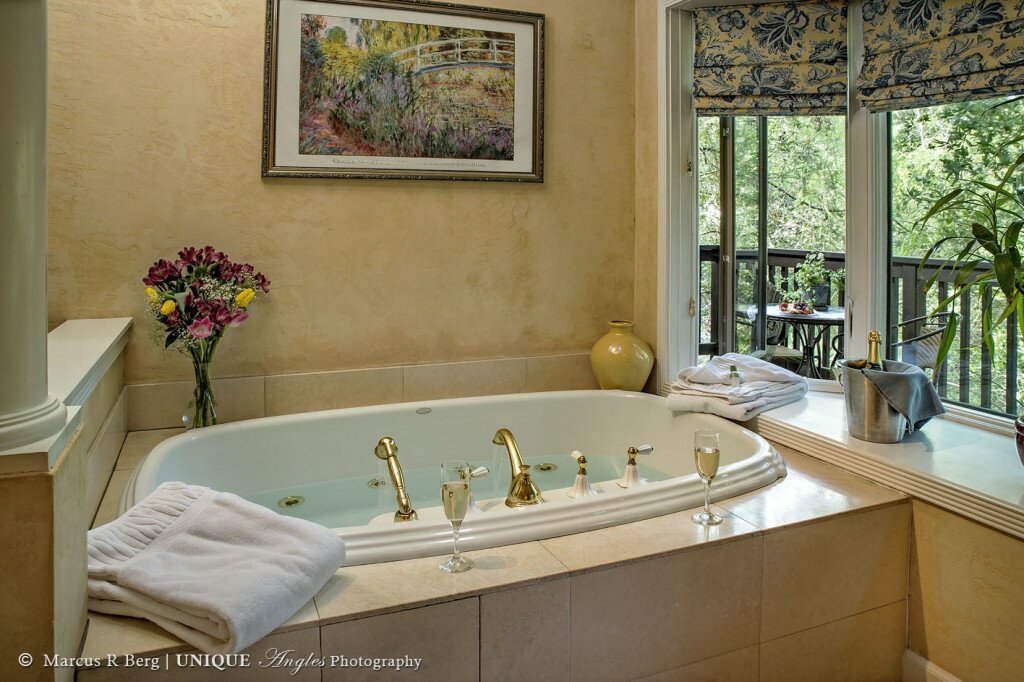
Bed and breakfast bathrooms can really enhance the experience of your appreciative guests.  Your unique decorations, attractive colors, magnificent materials, fancy fixtures, luxurious linens, and plush amenities all make a big impression on them.  Likewise, it is important to have complimentary bathroom supplies made available in each guest bathroom.  Your guests will remember your attention to the details.

This blog post features links to our corresponding Pinterest pages.  These Pinterest boards show photos from a variety of bed and breakfasts as well as of various products and ideas.  Given its visual nature, Pinterest is a great way to showcase your bed and breakfast.  Share pictures of what your inn looks like (both inside and outside) as well as share pictures of your delicious food and special events you host, such as weddings and tea time.

Be sure to decorate your bathrooms in a way that complements the look of the corresponding bedrooms and overall theme of your place.  Guests will expect the décor of bathrooms to be different depending upon the style or location of your bed and breakfast.  The following are just a few suggestions and there are many more decorating options available to the bed and breakfast owner.

  • Beach bed and breakfast bathrooms
    •  feature shells, starfish, sand dollars, sea horse, fish, coral reef, a captains wheel, anchor, or surfboards
    • have water, sand, or coral colors
  • Farm bed and breakfast bathrooms
    • feature roosters, cows, horses, gardens, corn stalks, or seeds
    • have farm colors like grass green, barn red, or sunflower yellow
  • Historic bed and breakfast bathrooms
    • feature pictures of previous residents, antique furniture, vintage signs, or a claw-foot tub
    • colors like black and white (like old photos) or rust

There are a variety of materials used in bathrooms, including:

  • Brick
  • Carpet
  • Glass
  • Rugs
  • Stonework
  • Tile
  • Wallpaper

Fixtures, such as:

  • Cabinets
  • Lights
  • Mirrors
  • Showers
  • Sinks
  • Towel bars and hooks
  • Tubs
  • Vanities

Linens:

  • Robes
  • Towels (double loop with high thread count)
  • Washcloths

Luxury amenities and other extras like:

  • Candles
  • Columns
  • Fireplace
  • Flowers
  • Furniture
  • Heated bathroom floors
  • Jetted tub
  • Lounging area
  • Murals
  • Plants
  • Shelving
  • Skylights
  • Television
  • View
  • Wine (chilled)

Guests will be thankful for complimentary bathroom supplies, such as:

  • Bath gel
  • Bath mats
  • Cotton balls
  • Cotton swabs
  • Drinking glasses
  • Hairdryer
  • Lotion
  • Make-up remover pads (to avoid stains on your washcloths and towels)
  • Mouthwash (travel size)
  • Shampoo and conditioner (travel size)
  • Shower cap
  • Soap (soap bars should be individually wrapped)
  • Tissues (with lotion)
  • Toothbrushes
  • Toothpaste (travel size)
  • Toilet paper (individually wrapped rolls)
  • Waste basket (with throw-away liner)

You may want to reward your guests by having a frequent stay and referral program and give discounts for those returning again and recommending your B&B to their friends.  Keep in mind the image your bed and breakfast seeks to portray to your guests: comfort, luxury, eco-friendly, and more.  The possibilities are endless as to how you decorate your bathroom and what amenities you offer to your guests.


Image by Marcus Berg of Unique Angles Photography

Visual Storytelling: Tips


visual-storytelling-tips

This is the last of the series of blog posts discussing the book The Power of Visual Storytelling: How To Use Visuals, Videos, and Social Media to Market Your Brand by Ekaterina Walter and Jessica Gioglio.  This features their smart tips for social media photography.

Social media photography tips:

  • Up your resolution to the highest resolution possible
  • Collages need to be of similar resolution
  • Divide your images into thirds either horizontally or vertically
  • Align your image slightly off center to make it more engaging
  • Variety matters, use a range of angles and setups
  • Take more pictures than you think you need
  • Frame your shot with less cluttered backgrounds
  • Use close-cropped images
  • Work the angles
  • Shine bright with lighting and filters
  • Show don’t sell
  • Celebrate occasions
  • Share great quotes
  • Include photos related to your company’s lifestyle
  • Inspire through the use of images by showcasing your company’s lifestyle, values, and opinions
  • Show how your products and services contribute to the greater good
  • Encourage emotion by featuring a sentimental side when appropriate
  • Propel action into a still image
  • Sprinkle in humor and have a little fun
  • Embrace creativity
  • Not all pictures have to have only one item
  • Go behind the scenes to make your customers feel like part of your brand

This is the conclusion to the blog series about the book The Power of Visual Storytelling.  I highly recommend this book.  I literally took twenty pages of handwritten notes from information in this book!  A special thank you to the authors Ekaterina Walter and Jessica Gioglio for letting me share some of their book.  I am not being compensated for this review, I just really think this book is great any business looking to grow their online marketing.


Image by Marcus Berg of Unique Angles Photography