Understand your guests’ lifestyles to satisfy their unique needs. The more information you know about your potential guests, the better you are able to target your marketing messages and offer attractive hospitality services.
There is no point in trying to be everything to everyone. It is rarely possible to satisfy all customers in the same way. When you know what your potential guests’ values and what motivates them, you are better able to attract them.
Lifestyles are ways of living based on motivations, needs, and wants:
Activities: actions pursued for pleasure or relaxation
Attitudes: feelings about people, things, or situations
Beliefs: trust, faith, or confidence in someone or something
Interests: curiosity, attention, or concerns about something
Opinions: judgments or ways of thinking about something
Values: important and lasting ideals
These lifestyle factors can explain why your audience buys the products and services they do. There is power in knowing how your prospects make their buying decisions.
How you package and promote your services is a key component of your marketing strategy. Put together a list of different guest personas you want to attract that is based on what is in your local area, your unique talents, and your amenities.
First, ask yourself these three questions:
What is in my local area? This could be anything from college campuses, to concert venues, to national parks, to business conferences. Once you know what is in your local area, you can better understand your potential guests’ lifestyles.
What are my unique talents? If you are an official tour guide (local trail and/or hiking tours), a party planner (excellent anniversary parties), a massage therapist (with a spa on site), a vegetarian-only chef (cooking for vegetarians and vegans), then you have a better idea of the lifestyles’ of the guests you want to attract.
What amenities do I provide my guests? This could be anything from game rooms, to gardens, to hot tubs, to luxurious linens, to indoor and/or outdoor pools, to tea rooms. Understand what amenities you have that are attractive to potential guests.
Then segment your customers into different personas. For example:
These are easy ways to better understand your guests’ lifestyles. Then you can promote your place of hospitality (bed and breakfast, inn, resort, restaurant, etc.) on your website and through social media.
Kristi Dement at Bed and Breakfast Blogging can help you attract more guests. Click here to contact me and/or feel free to comment below on what you do to attract more guests.
Here are some behind the scenes secrets to Disney hospitality magic. Disney Company focuses on giving their customers a memorable guest experience that exceeds their expectations by paying attention to details. Hospitality providers know that exceeded expectations leads to returning guests as well as word-of-mouth guest referrals.
Hospitality providers should always analyze the experience from the guest’s perspective. Disney defines “guestology” as the art and science of knowing and understanding their customers. More commonly known as “market research.”
Disney’s theme is “We create happiness [their mission] by providing the finest in entertainment [how their mission is accomplished] for people of all ages everywhere [for whom].” Disney set four criteria standards (in order of priority) which outline the the actions necessary to accomplish their service theme:
Safety (they look out for the welfare and peace of mind of their guests)
Courtesy (they require that every guest be treated like a very important person)
Show (they must offer seamless and exceptional entertainment for guests)
Efficiency (they strive for smooth operation and prioritize their standards)
With the magic of service, Disney recognizes that the most important judges are your customers. Therefore, it is extremely important to know and understand your customers. Demographics are factual knowledge about your guests including who they are, where they are from, and how much they spend. Psychographics seek to better understand guests’ mental states–their needs, wants, expectations, and emotions.
Disney, as a company, watches what people do in their theme parks, resorts, and stores to find out how they can make it more enjoyable for them. They use methods like surveys, comment cards, guest observations, and mystery shoppers as well as read guest letters and emails.
Disney studies guest usage and visitation patterns. Knowledge developed from guests is used to create and improve all elements of the quality service cycle. According to Disney, it is crucial to gather information at a variety of points during a guest’s experience.
With the magic of the cast [what they call their staff], Disney understands that you never get a second chance to make a first impression. Disney trains their cast in universal procedures and behaviors, with performance tips, and guidelines for guest service.
Make eye contact and smile: start and end every guest contact and communication with direct eye contact and a sincere smile
Greet and welcome each and every guest: extend the appropriate greeting to each and every guest with whom you come into contact, make guests feel welcome by providing a special differentiated greeting in each area
Seek out guest contact: it is the responsibility of every cast member to seek out guests who need help or assistance (such as listening to your guests’ needs, answering questions, and offering assistance)
Provide immediate service recovery: it is the responsibility of all cast members to attempt, to the best of their abilities, to immediately resolve a guest service failure before it becomes a guest service problem; always find the answer for the guest and/or find another cast member who can help the guest
Display appropriate body language at all times: it is the responsibility of every cast member to display approachable body language when “on stage” (visible to guests): be attentive, clean cut, have good posture, and appropriate facial expression
Preserve the “magical” guest experience: always focus on the positive rather than the rules and regulations; talking about personal or job-related problems in front of guests is unacceptable
Thank each and every guest: extend to every guest a sincere thank you at the conclusion of every transaction and give an expression of appreciation as he or she leaves your area
With the magic of setting, Disney wanted his cast to pull off fantasy without losing sight of reality. It was important to him that others find their fantasy believable.
Whether companies know it or not, all organizations build messages to their customers into the settings in which they operate. The setting communicates the quality of the person’s products and services that customers can expect as well as the price they are willing to pay.
Setting must be designed and managed effectively to effectively communicate and deliver service to customers. Setting is not restricted to physical properties, but extends to reservation systems, cleanliness, comfort, and so on. Setting components include:
Walt Disney’s motto was, “If you can dream it, you can do it.” “Imagineering” was his term for the blending of creative imagination and technical know-how. Disney has the following ten setting principles:
Know your audience: have a firm understanding of who will be using your setting
Wear your guest’s shoes: evaluate your setting from the customer’s perspective by experiencing it as a customer
Organize the flow of people and ideas: think of the setting as a story and tell that story in a sequenced, organized way; build the same order and logic in the design of customer movement
Create a visual magnet: Disney uses visual landmarks (like Cinderella’s Castle) to orient and attract customers
Communicate with visual literacy: use the languages of color, shape, and form to communicate through setting
Avoid overloads: do not bombard customers with data; let them choose the information when they want it
Tell one story at a time: create one setting for each big idea; avoid the confusion of mixing multiple stories into a single setting
Avoid contradictions: every detail and every setting should support and further your organizational identity and vision
For every ounce of treatment, provide a ton of treat: give your customers the highest value by building an interactive setting that gives them the opportunity to exercise all of their senses
Keeping it up: never get complacent and always maintain your setting; keep it clean, protect it from damage, and repair wear and tear
What does your setting tell your customers? What they see is as important as what they don’t see. Setting not only creates an impression, but it can guide guests through service experiences. Appeal to all five senses: sight (ex: colors), sounds (ex: music), smell (ex: popcorn), touch (ex: water fountains), and taste (ex: changing menus).
The Disney cast must keep onstage [anywhere they are visible to guests] and backstage [not seen by guests] separate. Did you know that Disney employees can go underneath the park to get from one area of the part to another? That is why you will never see a Disney character travel through a section of the theme park unrelated to their character.
Like the Biltmore Estate in Asheville, North Carolina, Disney offers behind-the-scenes tours. Thus, the setting should support and enhance the guest experience and deliver quality service.
Important to Walt Disney was that he provide superior service and hospitality. That meant hiring and training his “cast” to treat the guests with utmost respect. Walt also paid attention to the details of setting.
Walt Disney and his brother Roy’s legacy lives on to this day. Today, Walt Disney World Magic Kingdom in Orlando, Florida has an average of 53,000 visitors each day and is the #1 most-visited theme park in the world.
The Disney empire also includes include Disneyland; EPCOT; Animal Kingdom; Disney television, radio, and movies; and Disney merchandise sold in Disney stores and at Disney theme park locations. Thus, Disney hospitality magic is alive and well.
Ann Handley, author of Everybody Writes: Your Go-To Guide To Creating Ridiculously Good Content, explains some rules of story writing. I will show how her advice can be applied to bed and breakfast story writing.
Why should your company matter to me? (what is in it for them?)
Your brand voice is simply an expression of your company’s personality and point of view. Your unique voice comes from knowing who you are and who you are not. The key is to be authentic (or true to) your own unique personality and innkeeping style as well as feature WHY people should stay at YOUR bed and breakfast inn versus a local competitor.
Do you have an effective logo for your bed and breakfast? A logo is an important element for your Bed and Breakfast Business. A simple factor such as the image that you project through your logo could encourage customers to make a reservation with you over one of your hospitality competitors. Your bed and breakfast needs a memorable logo.
A visual representation of everything that your brand stands for (Rosemary House Bed and Breakfast is named after rosemary the spice representing friendship)
An original and memorable design will stand out to those who see your logo
A timeless and balanced look that can stand as your business identity for years to come
Font style plays an important role in creating the right image
The right font can send a certain message about your bed and breakfast inn that can enhance the overall logo
Choose simple font face or type face for the words in your logo to be clearly read
Cursive scripts that appear to be hand written can give out an impression of luxury and tradition
Your design should look good when it is made smaller or larger
A unique design that will put you at the forefront of your client’s and customer’s thoughts when they are traveling to your local area
A memorable design that will stand out in the minds of those who see your logo (who can forget the antique bicycle in the Pedal’rs Inn Bed and Breakfast logo?)
The logo should appeal to those in your target market
If you do have an image, make sure it is relevant to your theme (ex: Blue Mountain Bed and Breakfast is located in the mountains of Missoula, Montana)
Bed and breakfast businesses can lean towards imagery that relates to their location or landmarks in their local area.
The logo design may even capture the personalities of the owners
An affordable option is to use an online custom logo service
These design firms usually offer a variety of packages
Be sure to visit their website, look over their prices, view portfolios of their past work, and read their testimonials as well as their guarantee policies
Because you want to encourage customers in to stay at your bed and breakfast and then hopefully return the next time they are nearby, what you really need is a memorable design that will stand out in the minds of those who see your logo.
When you have a logo that satisfies your bed and breakfast’s branding needs, you successfully represent your bed and breakfast in an artistic way. With the right brand your bed and breakfast or hotel can have more reservations for less effort and you can possibly command higher prices.
A logo also becomes a very valuable and powerful asset in the long term as the people in your market become more familiar with it. If you offer a high standard of service to your customers, they will be reminded of all the positive experiences that they have had with you when they see your logo.
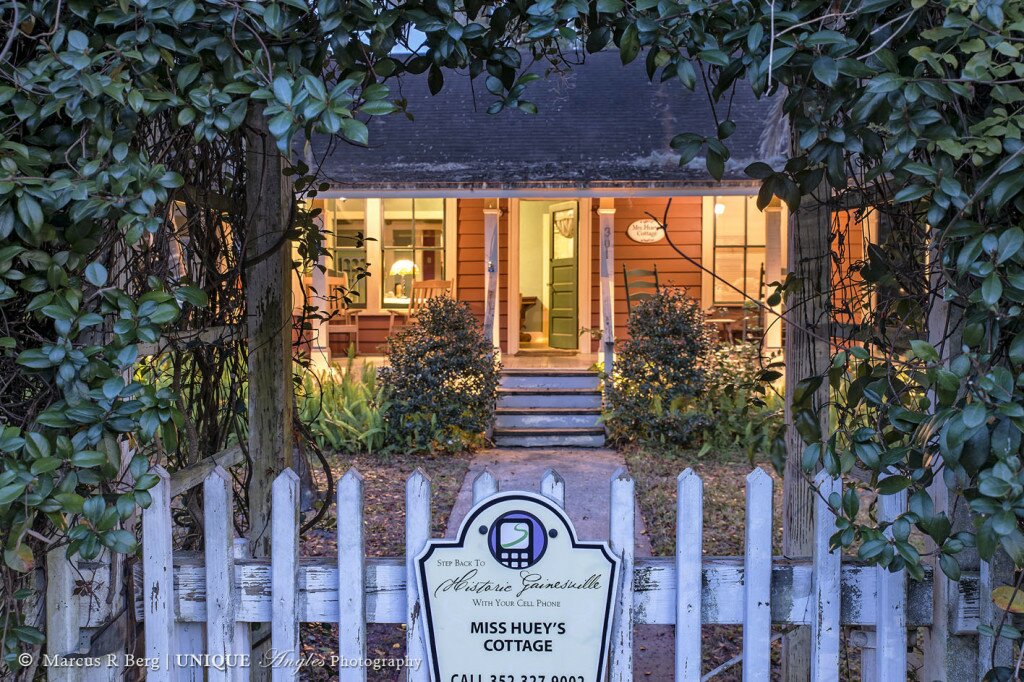
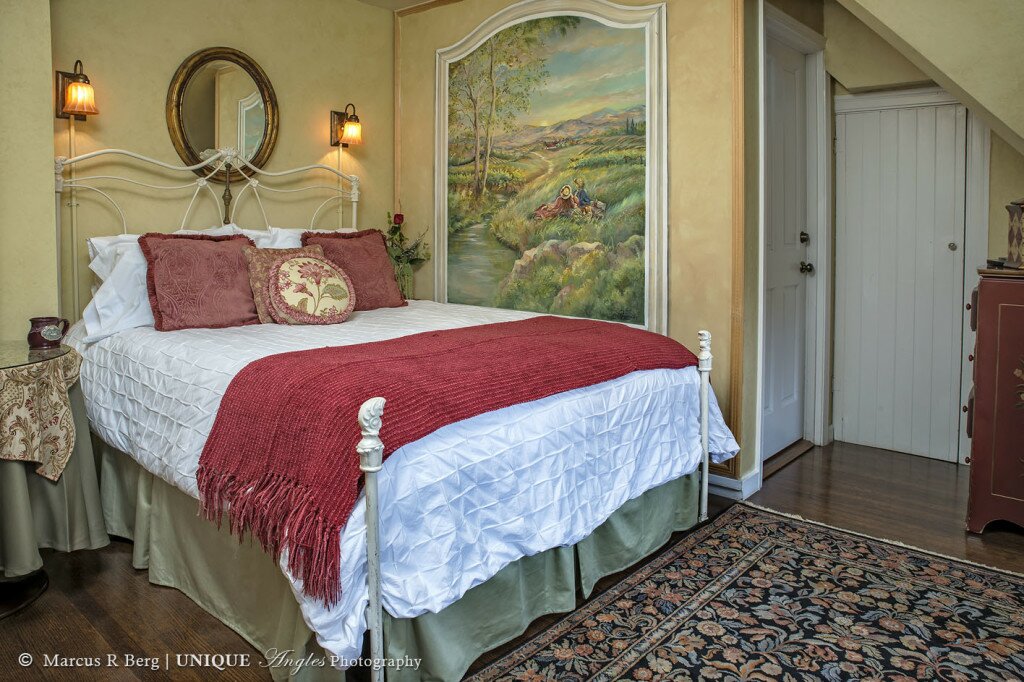
Top Image by Marcus Berg of Unique Angles Photography
Sunset Hill Stoneware is a family-owned company that produces hand-thrown pottery crafted to last a lifetime. SHS artists hand shape the stoneware and hand dip it into custom glazes. They use the finest clay and glazes materials available in America. Tom Dunsirn (left) started this company in 1998 and owns it with his father Duane (right).
They have twenty-six computer-driven kilnsand have implemented many lean and green initiatives. The 2400-degree heat generated from each kiln is reclaimed and dispersed throughout the facility to dry greenware, generate hot/warm water and heat the entire facility. Optimized LED lighting is used, mobile damp carts and traveling work stations were designed to reduce lifting and carrying, along with a continuous distribution stream of fresh air is circulated – all for the safety and comfort of employees.
Each product category offers many different stylesof their Signature StonewareTM. For example, within their mug collection, customers can select from more than 30 unique design styles. Bed and breakfastinns are among their many satisfied customers:
They can really customize the pottery to exactly what their clients want. They can even add a name and logo to each piece of pottery. When SHS customers upload their logo online, an SHS account specialist will contact them directly to understand the product style and glaze colors that will reflect their needs. With that information, SHS graphic artists will transform the customer’s image into a high definition, 3-dimensional clay medallion on a virtual mock-up—ready for their approval.
Once the artwork is approved, SHS artisans will hand throw the pieces, securely applying their logo to the chosen mug and/or stein style. Then they hand dip the pieces into selected glaze color and re-fire the pieces in 2400° kilns. This final firing creates durable pieces that areoven, microwaveand dishwasher safe—and creates stoneware meant to last for generations.Finally, each piece is inspected for quality and shipped using custom-designed, 100%eco-friendly packagingto prevent breakage.
Tom and Duane appreciate working together as a team and they have surrounded themselves with exceptionally talented artists who love making pottery. They separate themselves from those who mass produce because each quality American-made stoneware piece begins on one of their own pottery wheels.
Sunset Hill Stoneware puts their heart and soul into making their exquisite pottery and each hardworking employee plays a key part in creating beautiful, functional products made to be passed down from generation to generation. Each customer is proud to be able to display their own name and logo on Sunset Hill Stoneware. Bed and breakfasts can not only use their pottery, but they may also sell it in their bed and breakfast shops as keepsakes for their guests.
Watch one of Sunset Hill Stoneware’s YouTube videos:
Gilchrist and Soames offers luxury and eco-friendly bath amenities such as high-quality shampoos, conditioners, soaps, shower gels, and body lotions. Gilchrist and Soames is based in Indianapolis, Indiana and Peterborough, London, England.
Their popular BeeKind Collection features honey and certified organic extracts of red clover, calendula, lemon grass, and chamomile. A portion of the net profits from these products supports honey bee and sustainable pollination research.
Gilchrist and Soames collaborated with master perfumers to capture their Essential Elements Bathe Collection’s distinctive spirit and essence. The fresh neroli fragrance will keep guests coming back for more, while high-performance antioxidants rejuvenate and nourish people’s skin and hair.
Their English Spa Collection encapsulates their company’s London heritage, infusing refinement and purity in an immaculate blend of English botanicals. Natural oatmeal, aloe, lemongrass, and seak kelp are classic and timeless.
One of their newest collections is the Reserve Collection. Innovative ingredients of at least 95% natural origin are expertly blended with high-performance botanical extracts to nourish and pamper.
Gilchrist and Soames is committed to protecting the environment. Safeguarding their delicate ecology is deeply rooted in their business philosophy. They pursue new materials and technologies to make their packaging as recyclable/re-usable as possible. Their products are never tested on animals.
Gilchrist and Soames supports Clean the World’s Parnership Recycling Program to advance the global hygiene revolution. Did you know that today in the United States alone we will throw away 1 million bars of soap?
With the donation of your discarded soap and shampoo products to Clean the World, they will be closer to their goal of saving at least one million lives each year.
Donating unused soap as well as plastic bottles:
Reduces the spread of illnesses and deaths related to a lack of proper hygiene
Value to participating hotels and bed and breakfasts:
Receive valuable recognition and positive guest perception by working with Clean the World
Spread the word with web content, newsletters, articles, and press releases
Appeal to the meeting and event planner industry by attracting professionals who are seeking to book with properties adopting sustainability initiatives
Reduce waste disposal and recycling fees
Hospitality recycling partners will receive:
Clean the World Collection/Shipping bins
Transportation of donated items from your property
A framed certificate that can be proudly displayed in the lobby area to inform guests of your bed and breakfast’s participation in their program
Program pricing:
Sixty cents per room per month for non-Gilchrist and Soames customers
Fifty cents per room per month for Gilchrist and Soames customers
$50 minimum monthly fee applies
Gilchrist and Soames not only has excellent products, but they support green initiatives such as soap and bottle recycling, eco-friendly packaging, and no testing done on animals. Clean the World is an affordable way to positively impact the environment as well as aid people in need of hygiene products. See the video below for more information.
Hospitality Partner Program from Clean the World on Vimeo
This is the last of the series of blog posts discussing the book The Power of Visual Storytelling: How To Use Visuals, Videos, and Social Media to Market Your Brand by Ekaterina Walter and Jessica Gioglio. This features their smart tips for social media photography.
Social media photography tips:
Up your resolution to the highest resolution possible
Collages need to be of similar resolution
Divide your images into thirds either horizontally or vertically
Align your image slightly off center to make it more engaging
Go behind the scenes to make your customers feel like part of your brand
This is the conclusion to the blog series about the book The Power of Visual Storytelling. I highly recommend this book. I literally took twenty pages of handwritten notes from information in this book! A special thank you to the authors Ekaterina Walter and Jessica Gioglio for letting me share some of their book. I am not being compensated for this review, I just really think this book is great any business looking to grow their online marketing.
Ekaterina Walter and Jessica Gioglio, authors of the book The Power of Visual Storytelling: How to Use Visuals, Videos, and Social Media to Market Your Brand remind us that anything can happen at a moment’s notice online. Companies need to identify common occurrences, both positive and negative. It means looking for opportunities to create visual content solutions all around us. Some strategies include:
Understand the most important factors that can influence sales and customer leads
Weather may be an important theme to craft content around
At key times of the year, companies can announce awards, rankings, events, speeches, partnerships, and make other announcements
Understand the most frequently asked service inquiries and comments, both positive and negative
Develop a robust content library to allow time for real-time opportunities
The best storytellers play off their audience responses to hit the message home
While on the topic of user generated content, there is a higher barrier to engagement if it is not natural for fans to share visual content. Reward sharing behavior with a campaign, contest, and/or rewards. Look for themes in the most common types of photos, videos, hashtags, and sentiment.
Choose a clear call to action such as a unique hashtag available across all social media channels. Make full disclosure to customers how and where their photos and videos will be shared. Highlight examples to show a range of creativity. Give rewards and recognition by having an “image of the week” or randomly sending a thank you.
Customers can share their own content through videos shared on social networks like YouTube, Instagram, and the Vine. Look at your content calendar to determine which video(s) will help tell your visual story in a way that other media cannot. Think about your target audience, desired end goals, and what resources are available. Evaluate the needs of your audience and show off your personality. Mix up the content to a variety of different types and lengths of videos. Common videos include:
Fan shared content as well as company made videos can show another side to a business. The key is to make the most of what customers are saying about you.
According to the book The Power of Visual Storytelling: How to Use Visuals, Videos, and Social Media to Market Your Brand by Ekaterina Walter and Jessica Gioglio, companies need to shape their visual story. Each piece of content needs to have a clear theme and point of view as well as a take away message for the reader.
Content needs to be aligned with who you are as a company: voice, personality, and values. Once woven together, these themes shape your story. It is important to list your goals and determine how visual content can help achieve them. Ask yourself, if your company were a person, what would it look like in real life?
Embrace social media’s more personable, human side. Look for the most commonly discussed conversation themes from your online consumers. Shape your story and identify major themes to craft your visual content mix. Look at your goals, company voice, and customer feedback by social media platform.
Determine Your Visual Content Mix:
The magic is in the mix to keep storytelling fresh
It allows you to deliver more personalized content to target audiences across different platforms
Evaluate your desired frequency per platform for posts, tweets, pins, etc.
Have a formula and clear plan of what steps you will take
Frequency varies by company and by social media channel
Content must be interesting, important, and relevant to your audience
The usual shelf life of a tweet is considered an hour at most
The shelf life of a Facebook post is around 24 hours
Prioritize by social media platform the most important content themes that go into crafting your visual story
The mix needs to balance what is important from an ongoing visual storytelling perspective with goals, current events, questions, and general conversation from your customers
Content goals will likely change each month depending upon how much news your company has or tweets your making in response to fan engagement
Content should aim to be mostly upbeat, fun, motivating, and engaging
Outlining content themes makes it easy to identify what messages will be best conveyed as photos, videos, infographics, presentations, etc.
Authors Walter and Gioglio remind us to be listening and responding to what is being said about our company as well as learning the most commonly asked questions. When we know that, companies can better respond to their own target audience. This means setting goals and developing a strategy. Our content will adjust in response to real time as we get live social media feedback.
We have been discussing the book The Power of Visual Storytelling: How to Use Visuals, Videos, and Social Media to Market Your Brand by Ekaterina Walter and Jessica Gioglio. According to the authors, you must have clearly defined goals that are in alignment with key business objectives. Content planning is key to strategically developing visuals that will bring your company’s story to life. The first step to creating a road map is to define your big picture goals:
Understand how your current efforts rate by conducting a content audit to check your efforts across all social media channels. Reference that with the overall social media conversation about your company. Evaluate your current program and create a benchmark against which to measure your future visual storytelling efforts going forward.
Analyzing and auditing are key to knowing where your company is and understanding how you want to grow as a company. Things to track include:
Use a spreadsheet by social media platform, factor, and raw data for trends and themes. Evaluate these supporting components and your content’s engagement rate across all platforms. Questions to ask:
What % of my posts by social media channel are visual?
What topics do I post most frequently about?
Am I posting the same content across all platforms or do I personalize it by the platform I use?
Do these topics align back with the key business objectives I want to support with social media?
Are there any topics I am missing?
Is my company’s voice, personality, and corporate culture coming through in my posts?
What social media platforms are currently performing the best and worst for my company?
What are the characteristics of my top five to ten posts across each social media platform?
Are any of my posts paid for? If so, what is spending, frequency, and post types?
Listen to what your customers are saying about your company online. Understand the most frequently asked questions and the general sentiment of others towards your company. Social media at its finest is a continuous two-way dialogue between your company and your customers. Use social listening to inspire relevant content ideas that prompt conversation and engagement. Summarize your top takeaways which can be translated into themes for your content calendar. The next post we will discuss content strategies.